Feeds:
Posts
Comments

As I’ve written before, I’m a fan of eating odd bits. If you’re going to eat meat, and you want to be ethical about it, I think you should make the effort to try and eat all the parts of an animal (or use them in some manner).


I realize this concept is not for everyone. I am one of those people who used to cringe at the thought of eating non-traditional (at least in the current western world) pieces of meat.  The disconnect between animals and the plate has become so great that for some, the concept that meat comes from animals is so distant that they won’t eat meat with bones in it. People- meat comes from animals, animals have bones. But I digress…


My family raises cows, so I’m well aware of the importance of “hanging weight”- the weight of an animal’s carcass after it has been killed and eviscerated. If you buy an animal by the whole, half, or any other fraction, it’s likely that the cost is calculated based off of this number. This weight, however, does not include lots of other tasty (and incredibly nutritious) bits that an animal has to offer.


When I buy an animal from a farmer for butchering (or when I send my own animals to slaughter) I make sure I put in a request for lots of odd bits: I want the animal to be fully utilized, I want to get all the tasty bits, I want to get all the nutritious parts, and heck- I want to get my moneys worth!  As a result, I sometimes end with a substantial stash of offal in my freezer (especially beef offal, as not everyone who buys beef from us wants the odd bits, though that is changing as we sell more meat to paleo and foodie eaters).


When I came home to my parents this weekend, I thought I’d have a go at eating some of odd bits…  My photography is definitely not up to par with many food blogs, but hopefully I do these tasty bits justice (though it takes a better artist/photographer than me to make a raw beef tongue look anything other than kinda weird).


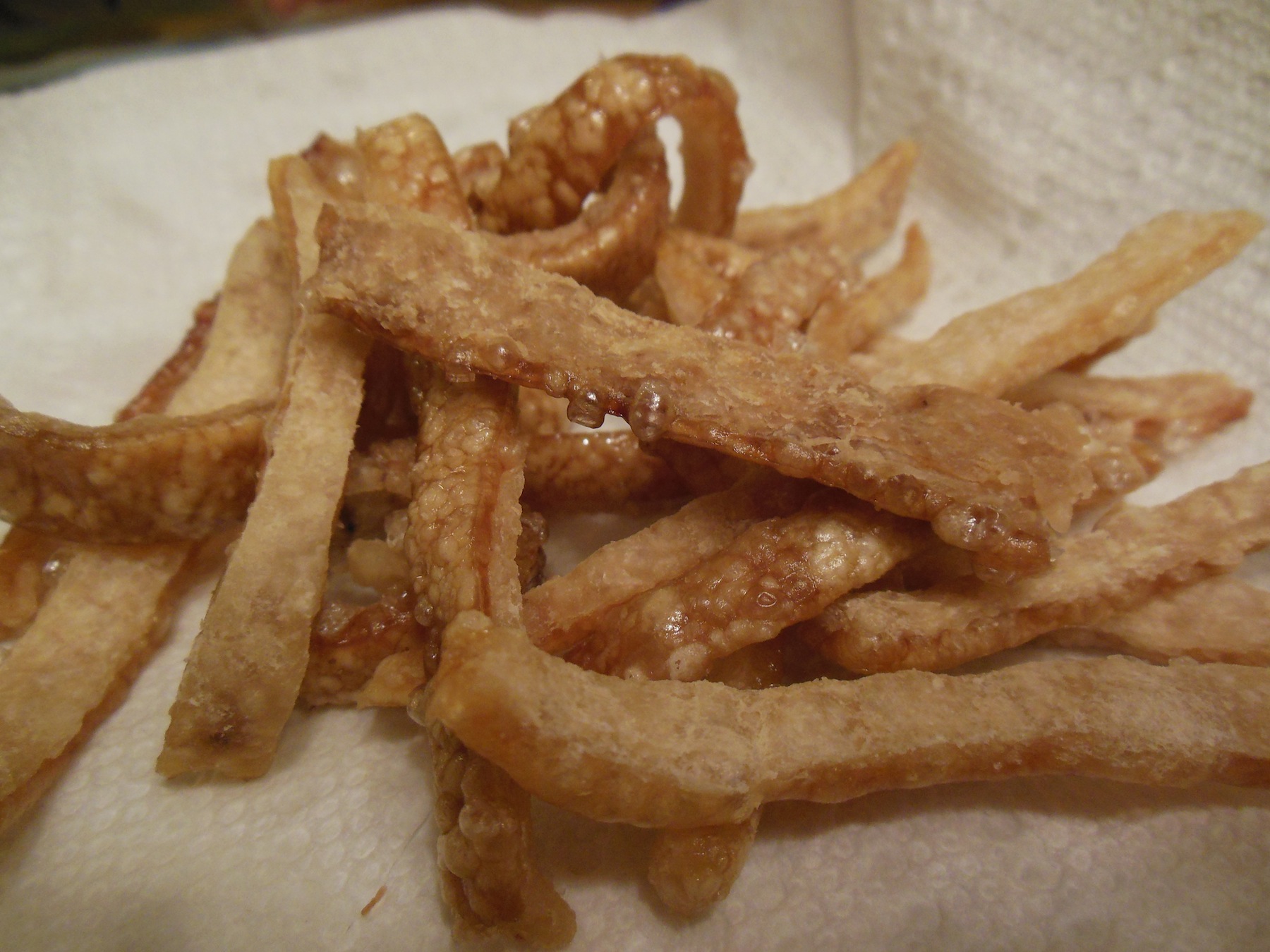
It all started on Friday night, when I decided it was time to experiment with some of the pork skin that I requested from the Berkshire pig I purchased this fall from a local farmer.  I found this page and gave their method a try. The result was tasty, though perhaps a danger to my teeth!


Cracklings

Cracklings!


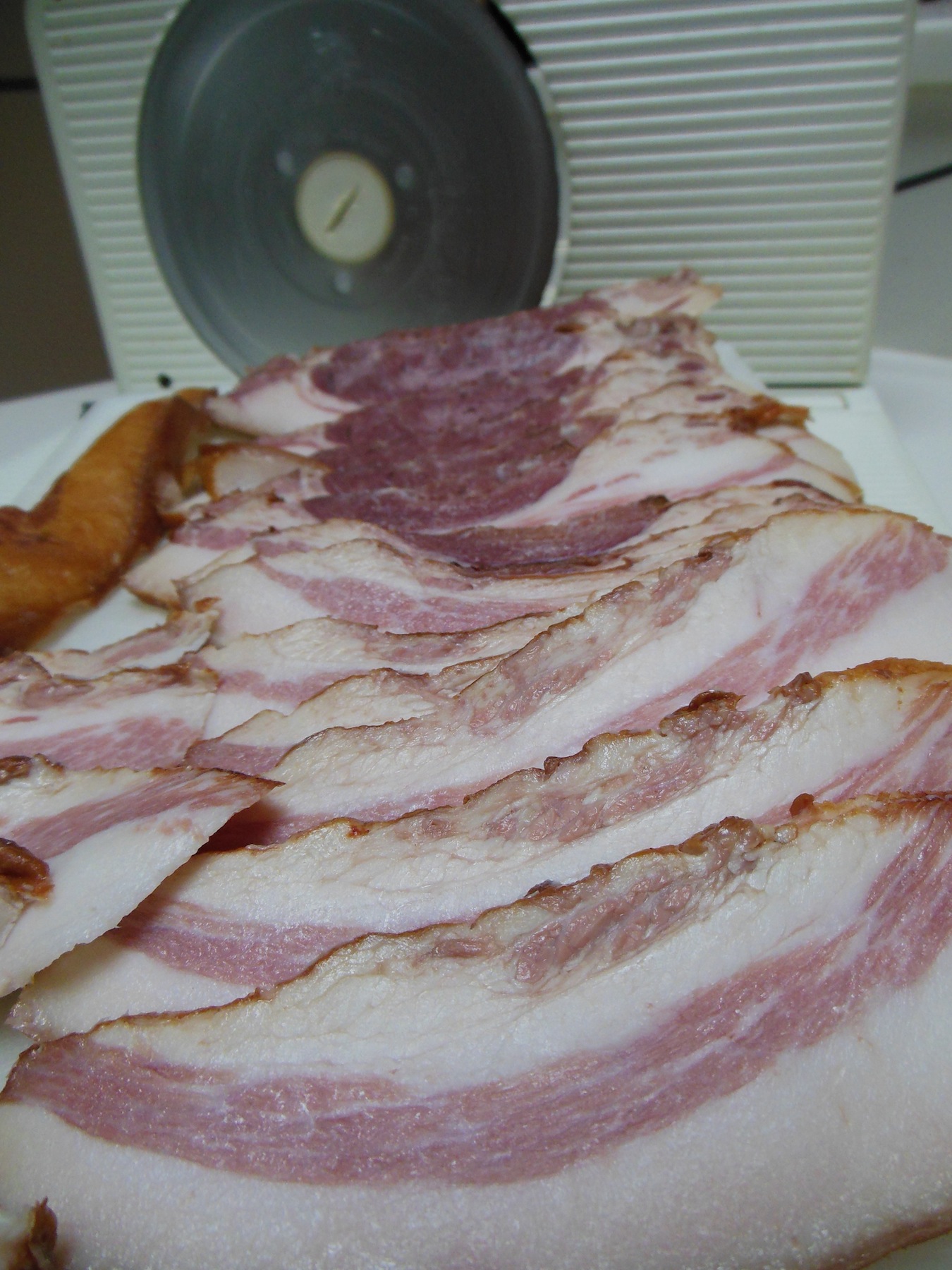
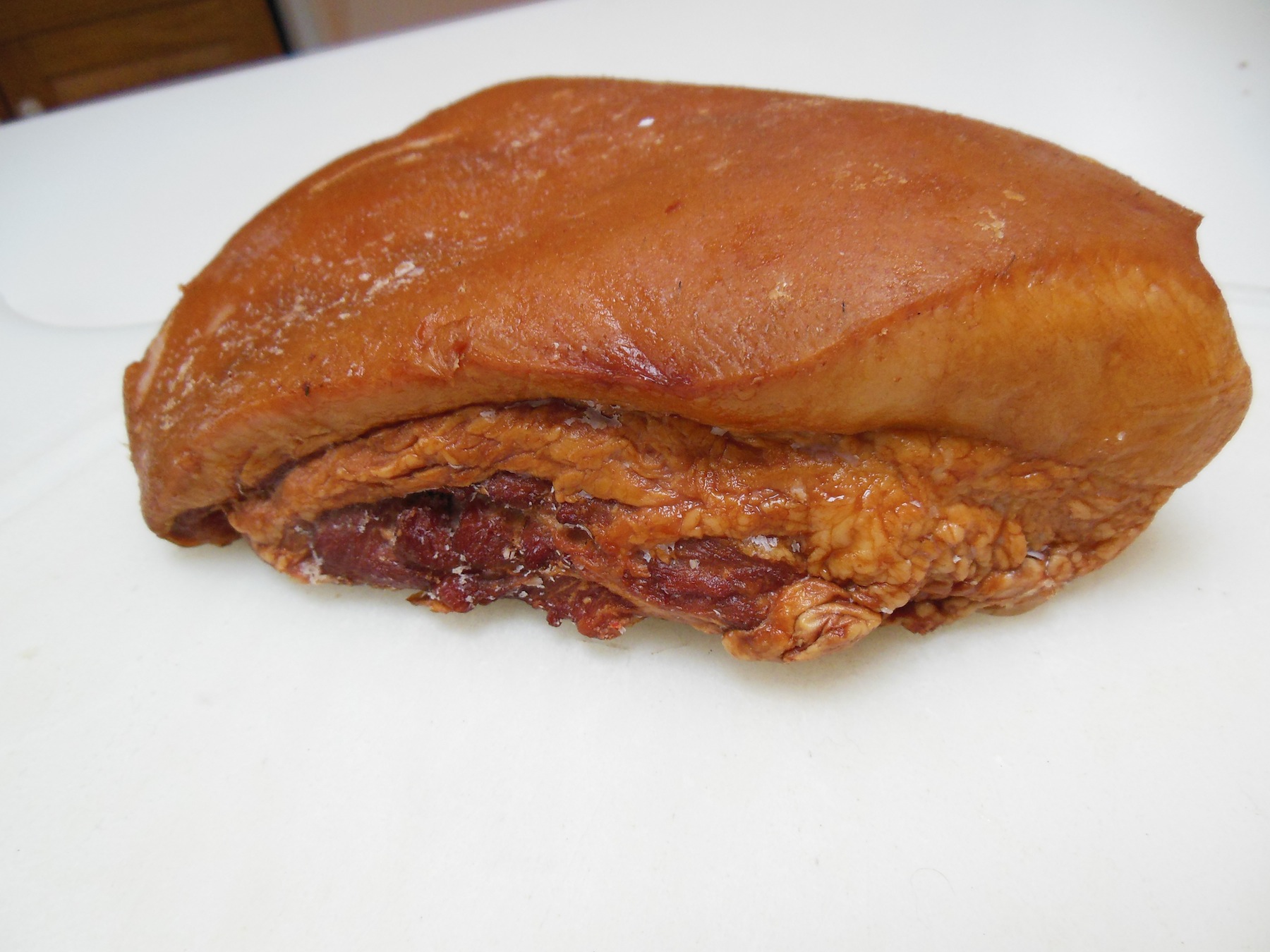
This set in motion a bit of a personal challenge to see how much offal I could put to good use this weekend. Next on the block was a beautiful smoked jowl from the same Berkshire pig as above. Jowl is a really fatty piece of the animal that makes BEAUTIFUL (albeit very fatty) bacon. It can also be cured in other styles such as the Italian Guanciale (which reminds me, I have a piece of jowl from another pig in my freezer that a friend cured into Guanciale at home (<– Worth checking out, if only for the pic of a curing pork jowl hanging from the ceiling).  If you don’t request that the butcher save the jowl, I expect it ends up being ground into sausage- a shame for such a delicacy to end in anonymity.


Jowl1

A whole smoked pork jowl


I initially tried to slice this by hand, but quickly realized this was a job for my little deli-slicer.


Jowl_Cut

Jowl bacon, fresh cut


As its winter, I’ve been using quite a bit of stock out of my freezer for soups and stews. It seemed like this weekend was a good time replenish my stores by making some collagen rich pork stock from pork trotters and neck bones.


Trotters

Trotters and neck bone, to be made into stock.


I shared this pic on my personal facebook page and the general consensus there was “gross”.  Although trotters don’t have the same panache as a standing rib roast, they do have a certain je ne sais quoi (and I wouldn’t call them gross).


A number of years ago my parents were visiting Paris. At a restaurant, they were offered a menu in French and English. My father’s grammar school French led him to believe that an item on the menu was “foot of pork”, but the English menu said “leg of pork”. When he inquired, the waiter assured him that it was leg of pork (I think you see where this if going…). When a trotter was brought to the table, my father was less than amused.  It is worth noting that my parents are from England, bringing up theories of potential remnants of French-anglo animosity!


As I write this, the trotters have been simmering for almost 24hrs and have made three lovely batches of stock. I have some omnivorous scrap-disposal units that are looking forward to the remnants!


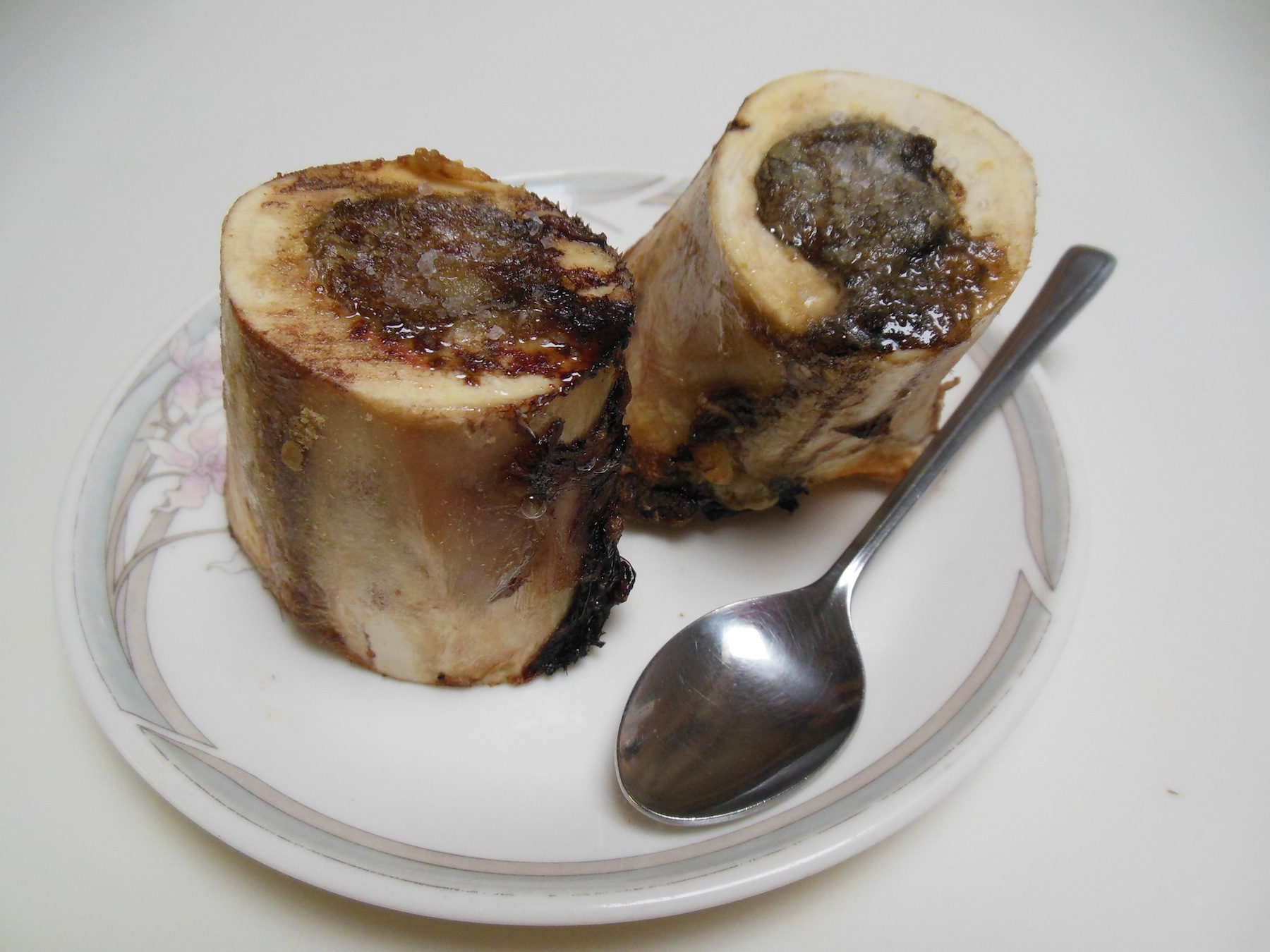
I used some of the stock to make a hearty soup for lunch today, which I paired with a luxurious beef marrowbone.


Marrowbone- I describe it to skeptics as being similar to a savory crème brulee.

Marrowbone- I describe it to skeptics as being similar to a savory crème brulee.


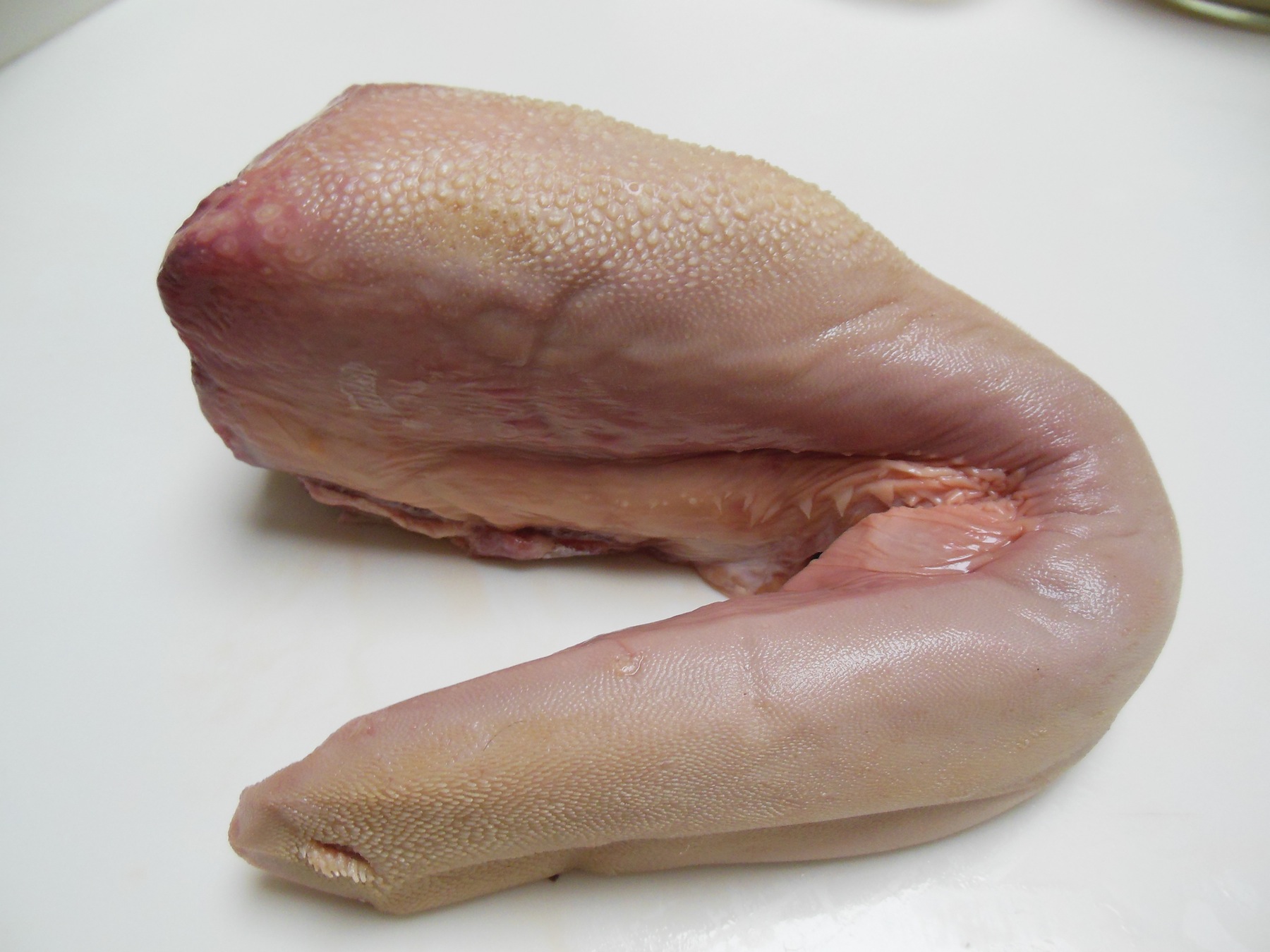
I’m one of the few med students on my current rotation who consistently brings lunch. In preparation for this week, and in keeping with the offal theme, I decided to cook up a cow tongue.  After it has simmered for a number of hours I’ll shred it and sauté it with an onion and some spices, eventually portioning it out with some mashed sweet potato.


Tongue

Yes- it’s a tongue.

The final offal of the day is a meaty shinbone that I will stew up with a beef kidney, making the old British standby Steak and Kidney (minus the pudding). Kidneys were one of the last odd bits to make their way into my diet. As a child I would hear of this traditional British meal and cringe- funny how things can change (and how long it can take to get over childhood aversions!).


For those of us used to human anatomy, beef kidneys sure look WEIRD! (It’s important to trim a kidney well, you don’t want to be eating the calyx!)

For those of us used to human anatomy, beef kidneys sure look WEIRD! (It’s important to trim a kidney well, you don’t want to be eating the calyx!)


I realize offal isn’t for everyone, but I hope this might inspire someone to give offal a chance. There are other great things to do with odd bits (imagine a post on offal that doesn’t talk about liver!), and with the help of the internet you can get all kinds of tips and recipes (or you can buy a book).  Even if offal isn’t for you, I hope you can recognize that nose-to-tail eating is a responsible decision when thinking about the ethics of eating meat (even if you do find it a little gross).


(Here’s guessing that a number of my friends won’t be looking for dinner invites anytime soon!)

Happy New Year!

2012 was a whirlwind year for me. I defended my PhD at the beginning of 2012 and am now almost finished with all the required clerkships of third-year medical school. Phew!

I spent my winter holiday visiting my brother in Dubai, exploring many sites of the United Arab Emirates (UAE). I got to see a lot during my stay, and I’ve been writing a post on some of the interesting things I saw there.  As I was writing about the traditional dietary staples of the Middle East, I took a foray through a lot of literature that is available on camel milk.  It’s interesting stuff, and I found myself heading off on a tangent that I thought I should post as a stand-alone article.

So here we go…

Ship of the desert
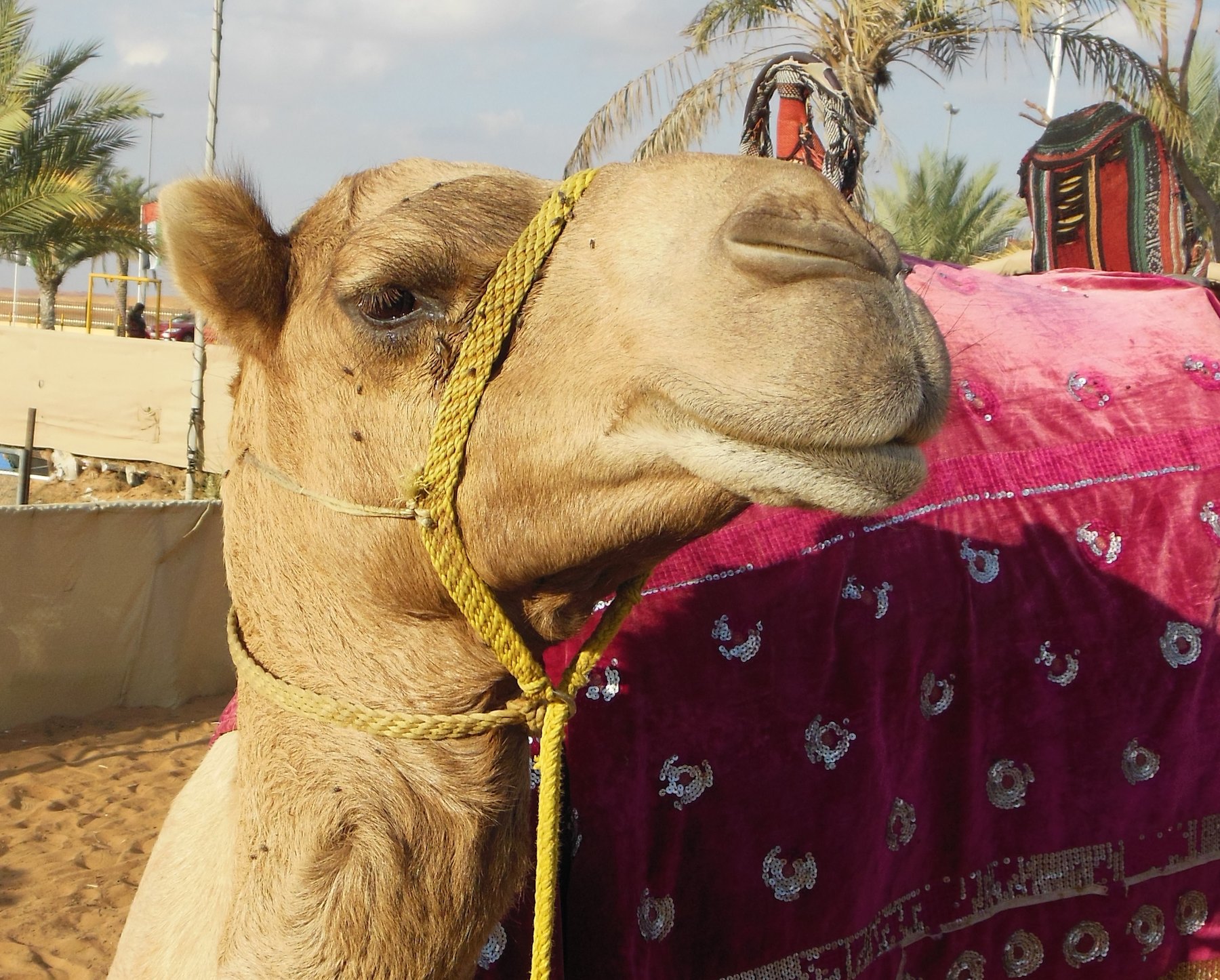
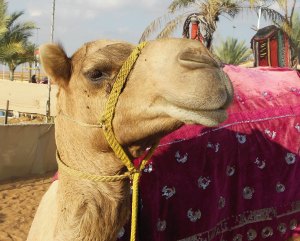
Camels were (and still are, but for different reasons) an important part of life in the Middle East. The Arabian camel (the dromedary Camelus dromedarius) is a one-humped beast, and should not be confused with the 2-humped Bactrian camel (Camelus bactrianus) of central Asia.  Dromedaries were the only mode of transportation in the desert before motorized vehicles (walking any substantial distance on foot is out of the question and horses need too much water), and they also were an important form of wealth and source of food. Camel meat was a rare delicacy, while camel milk was a staple of the Bedouin diet. Camel hair was also used to make household necessities and camel dung was often used as fuel (a nice argument against the calories in calories out argument- if biological creatures were bomb calorimeters there wouldn’t be anything worth burning coming out the other end…).

Camel meat was not a staple of the Bedouin diet.  In fact, most nomadic people are reluctant to kill their subsistence animals for meat. Female camels were used for dairy and some males were kept for breeding purposes, but extra young male camels would be slaughtered and eaten for special occasions.

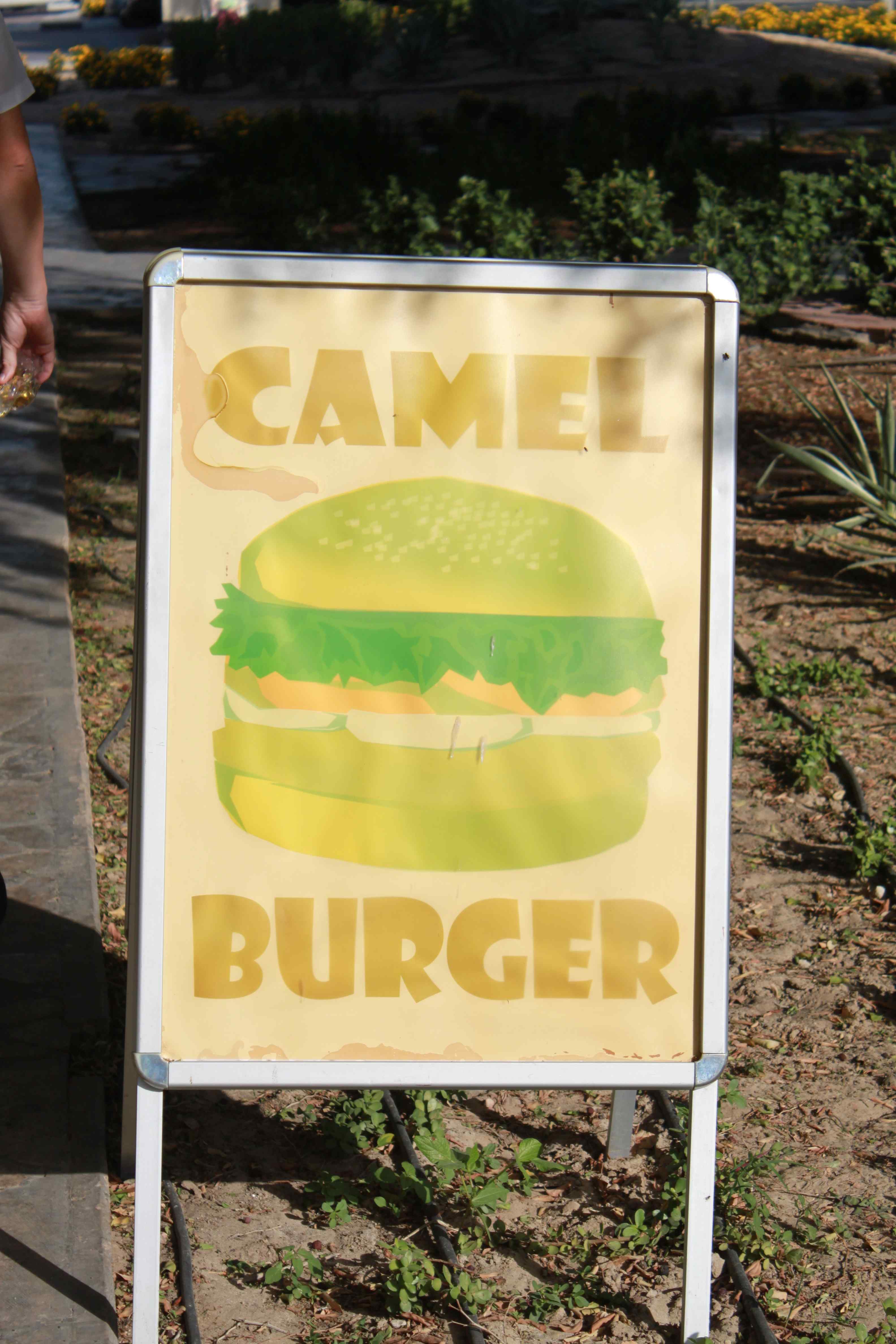
Though definitely not a traditional dish- this seems to be the #1 way to eat camel meat today

Though definitely not a traditional dish, this seems to be the most popular way to eat camel meat today

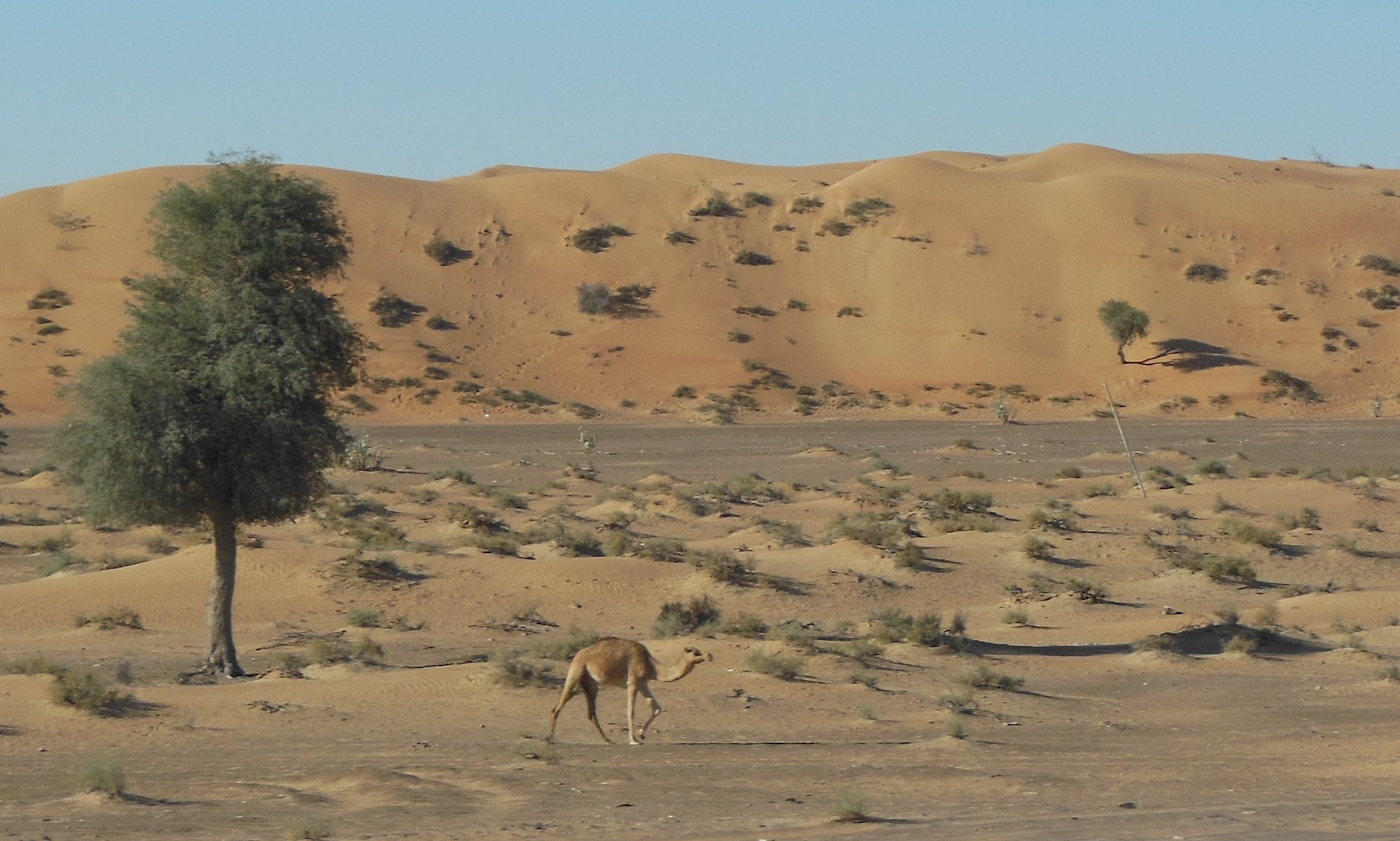
Camels are uniquely able to provide sustenance for humans in an environment that is generally rather inhospitable. Camels are able to not only survive, but thrive, on the limited and harsh forages that are available in the desert. She-camels can produce enough milk to nurse their offspring and provide liters of milk per day for their owner.

Camel in its native environment. These beasts thrive on the course and sparse forage of the desert.

Camel in its native environment. These beasts thrive on the coarse and sparse forage of the desert.

Camels’ milk is interesting stuff. Unlike the milk of cows, goats, and sheep, it cannot be easily made into cheese.  It doesn’t coagulate with bovine rennet, however recombinant camel rennet is incredibly efficient at coagulating cow milk and can also coagulate camel milk (there is a difference in the camel kappa-casein that makes it more resistant to cleavage) [1, 2].  With the right enzyme the job can be done, and there is at least one company that makes a camel cheese (nicknamed Camelbert!).

Camel milk isn’t much good for making yoghurt either, being much more resistant to lactic acid fermentation than cow milk. The result of camel milk lactic fermentation is very runny, with little microbial growth [3]. Gariss, a traditional Sudanese fermented camel’s milk product, is made with a mixed culture including Lactobacillus, Streptococcus, and yeast [4]. Here’s how it was traditionally made:

fermentation is carried out in two leather bags of tanned goat skin embedded in green or wet grass carried on the bag of camels and subjected to continuous shaking by the jerky walk inherent to camels. Whenever part of the product is withdrawn for consumption, a portion of fresh camel’s milk is added to make up volume and this continues for months [4].

According to one paper I spotted, food scientists can thicken fermented camel milk with gelatin or alginate (a thickener made from seaweed) in order to make a yoghurt-like product that consumers might find acceptable, but I didn’t spot any on the shelves in the stores of Dubai [5].

It seems to me that when it comes to camel milk it might be best to just keep it simple. Plain old milk.

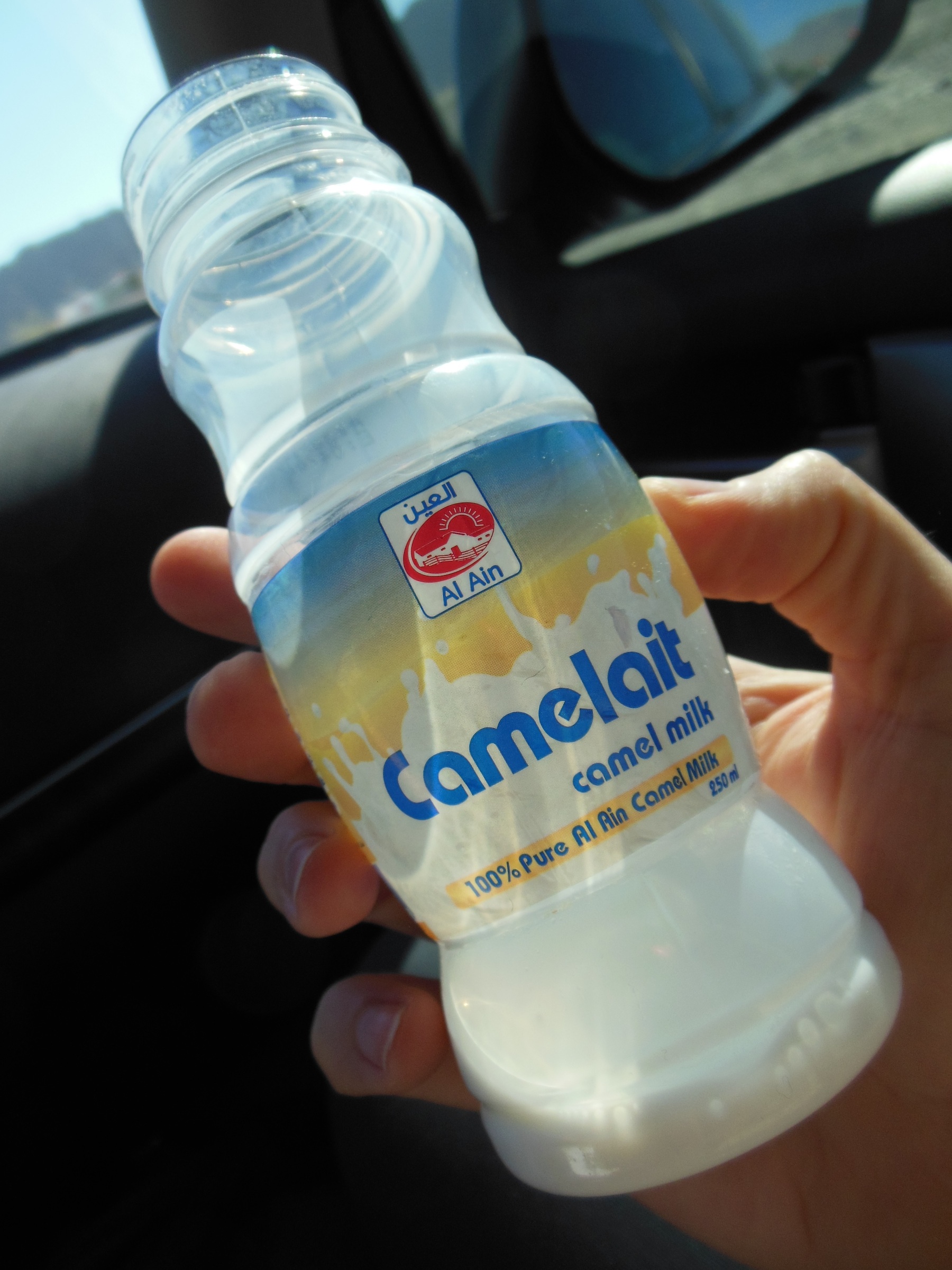
CamelMilk

But camel milk may not be such simple stuff.  There is growing research that explores the use of camel milk for medicinal purposes.

I haven’t gone into the research in depth, but there are a number of small studies looking at the benefits of camel milk for people with diabetes (type 1 and type 2), with rather remarkable results. The addition of 500mL of camel milk on top of usual care for patients with type 1 diabetes resulted in significant improvements in a number of parameters in comparison to people who just received standard care. The camel milk group had a decrease in mean blood glucose levels and hemoglobin A1c.  The study was small, but 3 of the 12 participants in the camel milk group were able to completely stop using insulin (an almost unheard of occurrence for those with type 1 DM).  While the mean amount of insulin used in the control group remained constant, the amount used in the camel milk group dropped rapidly [4].

Abdelgadir et al [4]

Abdelgadir et al [4]

It hasn’t been determined how camel milk affects those with diabetes, but there are a number of hypotheses. Some sources think that insulin from camel milk is uniquely able to escape digestion when ingested or that camel milk contains a unique insulin-like small peptide that is bioavailable when consumed [6]. This is unlikely to be the whole story, however, as camel milk is able to increase endogenous insulin secretion in type 1 diabetics (individuals in standard of care + camel milk groups have higher levels of C-peptide, showing an increase in insulin production) [7].

Some readers may know that I have a fondness for fatty liver disease, so I was particularly interested to learn that, in a rat study, camel milk reversed alcohol-induced liver injury. This was seen histologically, where there was minimal fatty accumulation in the livers of alcohol-treated animals supplemented with camel milk in comparison to those just treated with alcohol alone, and serologically, where animals that were treated with ethanol alone had significantly increased liver enzymes in comparison to controls and those fed alcohol and camels milk [8]. I would postulate that it might have something to do with the high levels of carnitine found in camel milk [9], but that’s a story for another day.

Nutritionally, camel milk is unique. As I just mentioned, it has a more free carnitine as a percentage of total carnitine than other species and higher total carnitine than cow or human milk (though lower than sheep and goat milk) [9]. Camel milk has three-times the vitamin C of cow milk, but a similar amount of vitamin E and considerably less vitamin A and riboflavin [10]. Camel milk is low in short chain fatty acids in comparison to other milks and it has primarily long chain fatty acids, a significant portion of which is linoleic acid [11].  I tend to avoid this omega-6 FA, but I suspect that as part of a traditional diet the amount found in camel milk does not cause a problem.
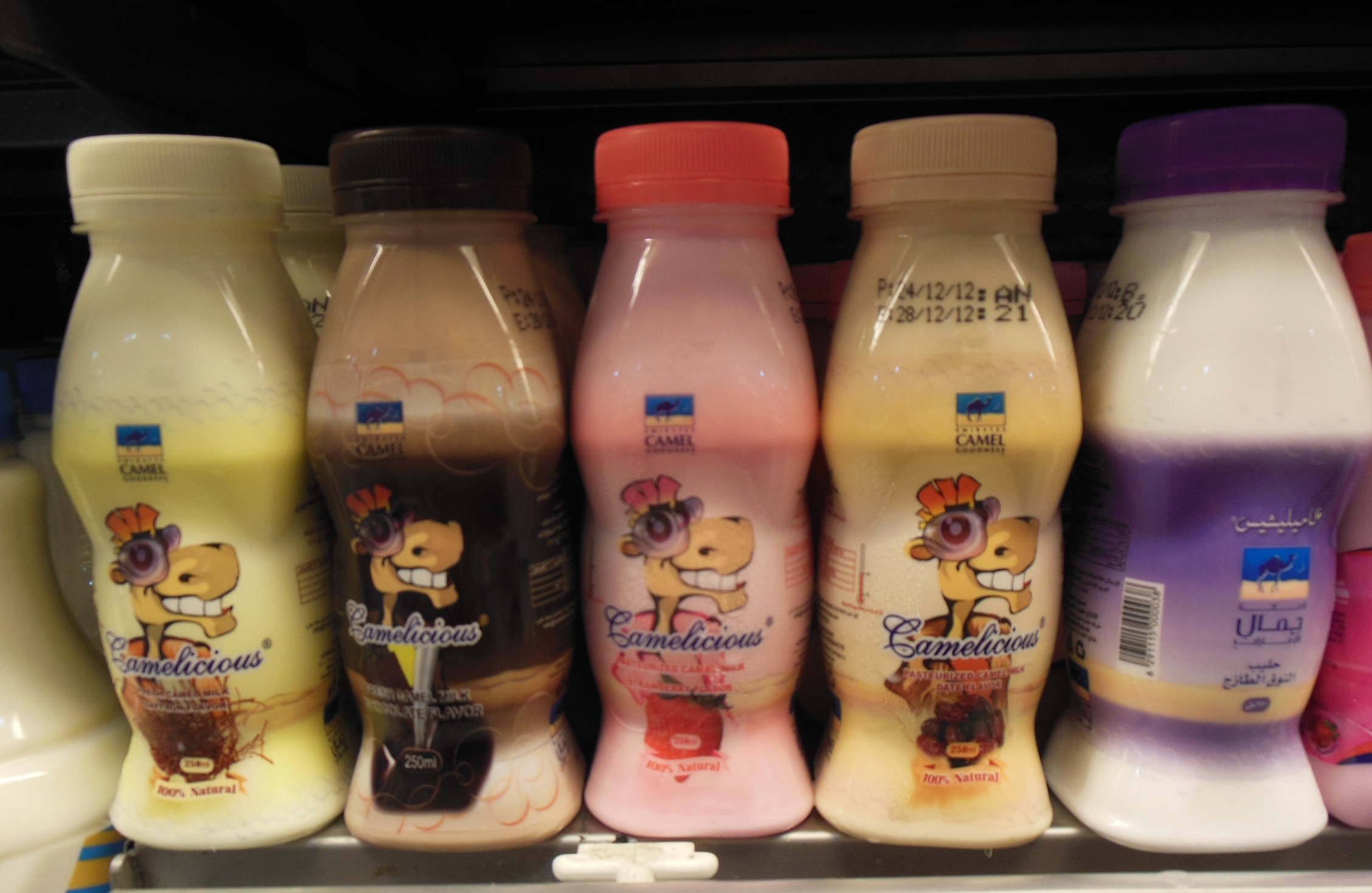
Camels can carry a number of zoonotic organisms, including Coxiella burnetii (which causes Q fever) and Brucella sp. (which causes brucellosis), which can be transmitted through the milk. In fact, there was a recent brucellosis outbreak in Israel caused by raw camel milk [12].  If you’re drinking milk from an untested camel, it’s probably best to have it pasteurized. All the milk that’s available in Dubai supermarkets is pasteurized and homogenized. There are a variety of brands, and you can get milk in an array of flavors!

I spied plain, chocolate, strawberry, saffron, rose, cardamom, and date flavor! In this pic there's saffron, chocolate, strawberry, date, and plain.

I spied plain, chocolate, strawberry, saffron, rose, cardamom, and date flavor! In this pic there’s saffron, chocolate, strawberry, date, and plain.

Of course I had to try some… I opted for plain milk, and found it slightly sour in comparison to cow’s milk, with a watery mouthfeel. It’s been at least a decade since I drank skim milk, but as I remember the mouthfeel is similar.

Sculptors of human evolution

Camels have played central roles in the lives of desert dwelling people for millennia. They are the “ship of the desert” and their milk has nourished and sustained generations.  Their milk has also shaped the human genome…

The predominance of lactase persistence in populations is a well-known and well-studied example of human evolution. In populations that had access to animal milk, a mutation that allowed for the production of lactase past the age of weaning gave humans access to a rich food source. This was a huge advantage to those that had such a mutation.  Those that could easily consume milk were able to have more children, and the mutation spread throughout the population.  The advantage of having persistent lactase expression is so advantageous it has occurred independently in multiple populations over time.  While some mutations are linked back to the domestication of the cow, there are novel mutations found in Middle Eastern populations that are linked to the domestication of, and subsequent milk consumption from, Arabian camels [13].

The advantage of camel domestication is still present today.  A paper from 1996 looked at child health in three populations of Rendille pastoralists in Northern Kenya. Two of the groups had abandoned their nomadic roots to become settled, while one group remained nomadic.  In wet years (good years) there was a similar number of malnourished children in the three groups; however in a drought year, the children of the nomadic group faired significantly better.  The differences in malnutrition were attributed to food- specifically camels milk.  In drought years, the children in the nomadic group consumed three times as much milk as those from the sedentary group, where the children got more starches and sugar.  Other studies have found that nomadic groups generally do poorly during drought years (because of decreased production of milk from their herd), but because the Rendille maintain a large number of camels, they faired better during hard times [14].

So there you have it… I went diving into pubmed looking for a few fun facts to incorporate into a blog post on my trip to Dubai and found myself swept up in a mess of Dromedary data… I hope you found it as interesting as I did!
Camel

1.            Kappeler, S.R., H.J. van den Brink, H. Rahbek-Nielsen, Z. Farah, Z. Puhan, E.B. Hansen, and E. Johansen, Characterization of recombinant camel chymosin reveals superior properties for the coagulation of bovine and camel milk. Biochem Biophys Res Commun, 2006. 342(2): p. 647-54.

2.            Sorensen, J., D.S. Palmer, K.B. Qvist, and B. Schiott, Initial stage of cheese production: a molecular modeling study of bovine and camel chymosin complexed with peptides from the chymosin-sensitive region of kappa-casein. J Agric Food Chem, 2011. 59(10): p. 5636-47.

3.            Attia, H., N. Kherouatou, and A. Dhouib, Dromedary milk lactic acid fermentation: microbiological and rheological characteristics. J Ind Microbiol Biotechnol, 2001. 26(5): p. 263-70.

4.            Abdelgadir, W., D.S. Nielsen, S. Hamad, and M. Jakobsen, A traditional Sudanese fermented camel’s milk product, Gariss, as a habitat of Streptococcus infantarius subsp. infantarius. Int J Food Microbiol, 2008. 127(3): p. 215-9.

5.            Hashim, I.B., A.H. Khalil, and H. Habib, Quality and acceptability of a set-type yogurt made from camel milk. J Dairy Sci, 2009. 92(3): p. 857-62.

6.            Malik, A., A. Al-Senaidy, E. Skrzypczak-Jankun, and J. Jankun, A study of the anti-diabetic agents of camel milk. Int J Mol Med, 2012. 30(3): p. 585-92.

7.            Mohamad, R.H., Z.K. Zekry, H.A. Al-Mehdar, O. Salama, S.E. El-Shaieb, A.A. El-Basmy, M.G. Al-said, and S.M. Sharawy, Camel milk as an adjuvant therapy for the treatment of type 1 diabetes: verification of a traditional ethnomedical practice. J Med Food, 2009. 12(2): p. 461-5.

8.            Darwish, H.A., N.R. Abd Raboh, and A. Mahdy, Camel’s milk alleviates alcohol-induced liver injury in rats. Food Chem Toxicol, 2012. 50(5): p. 1377-83.

9.            Alhomida, A.S., Total, free, short-chain and long-chain acyl carnitine levels in Arabian camel milk (Camelus dromedarius). Ann Nutr Metab, 1996. 40(4): p. 221-6.

10.            Farah, Z., R. Rettenmaier, and D. Atkins, Vitamin content of camel milk. Int J Vitam Nutr Res, 1992. 62(1): p. 30-3.

11.            Gorban, A.M. and O.M. Izzeldin, Fatty acids and lipids of camel milk and colostrum. Int J Food Sci Nutr, 2001. 52(3): p. 283-7.

12.            Shimol, S.B., L. Dukhan, I. Belmaker, S. Bardenstein, D. Sibirsky, C. Barrett, and D. Greenberg, Human brucellosis outbreak acquired through camel milk ingestion in southern Israel. Isr Med Assoc J, 2012. 14(8): p. 475-8.

13.            Enattah, N.S., T.G. Jensen, M. Nielsen, R. Lewinski, M. Kuokkanen, H. Rasinpera, H. El-Shanti, J.K. Seo, M. Alifrangis, I.F. Khalil, A. Natah, A. Ali, S. Natah, D. Comas, S.Q. Mehdi, L. Groop, E.M. Vestergaard, F. Imtiaz, M.S. Rashed, B. Meyer, J. Troelsen, and L. Peltonen, Independent introduction of two lactase-persistence alleles into human populations reflects different history of adaptation to milk culture. Am J Hum Genet, 2008. 82(1): p. 57-72.

14.            Nathan, M.A., E.M. Fratkin, and E.A. Roth, Sedentism and child health among Rendille pastoralists of northern Kenya. Soc Sci Med, 1996. 43(4): p. 503-15.
This one isn’t exactly “evolutionary medicine”, but it sure is a smart, cheap, and (in my experience) unheard of little tip for shortening hospital stay (and thus cutting the bill) for some surgery cases.

Surgery comes with innate risks. Bleeding and infection can occur with any surgery, but operations that affect the bowel come with additional risks and concerns. One frequent complication of abdominal operations is postoperative ileus- a temporary paralysis of the intestinal tract after surgery that is usually related to the degree of surgical trauma and bowel manipulation.

When you are part of the surgical team, an important part of post-surgical care is keeping track of the workings (or lack thereof) of the patients’ digestive system. A typical morning check-up on a patient might go something like this:

“Hello! How are you feeling this morning?” (This exchange usually takes place around 5:30 in the morning… Anyone who says “good” is obviously bluffing!

“Sleep well?” (I think I may be the only student that cares about this question.)

“Any pain?”

“And have you had a bowel movement? No? Ah- have you passed any gas? Above or below?”

Yes, when you enter the world of medicine, the taboos of normal conversation (indeed, many social graces) are quickly forgotten.  Gone are the tendencies to giggle when someone says “fart”. Instead, the return of a patient’s bowel function can become a celebrated event amongst the team.

Post operative ileus is likely caused by a number of factors, including increased sympathetic activity (the fight-or-flight side of our autonomic nervous system) which overpowers the parasympathic (the rest-and-digest) system, as well as inflammatory mediators.  Additionally, some of the drugs that are used before, during, and after surgery may also inhibit bowel motility [1].

Ileus can delay patient recovery and increase the length of patient hospitalization, which leads to greater healthcare care costs. So how can we decrease ileus?

There is some evidence to suggest that therapies such as early postoperative mobilization (getting up and walking) and early feeding may decrease post-operative ileus [1].  I’m particularly interested in early post-operative feeding, which seems to come with a host of benefits in comparison to “NPO” (nil by mouth) that is common after surgery.  In fact, in a meta-analysis of 11 studies including 837 patients, early post-operative feeding significantly reduced the risk of any type of infection and reduced the mean length of stay in the hospital.  It also reduced (though not statistically significantly) the risk of anastomotic dehiscence (the breakdown of the site where bowel was sewn together), wound infection, pneumonia, intra-abdominal abscesses, and mortality. The down-side of early post-operative feeding is that the patients have an increased risk of vomiting [2].

But is there a way to get the benefits of early feeding without the risk of vomiting? Is there a cheap and easy way to increase the rate at which bowel function returns?  It appears the answer is yes, and it is incredibly cheap and easy: Gum.

Gum chewing works as a type of sham-feeding that promotes intestinal motility. It seems that chewing gum causes our brain to pass the signal to our stomach that food is on the way. In normal volunteers, gum chewing stimulates gastric secretions. In patients, gum chewing appears to wake the GI tract up more quickly than if their mouth stays idle [1].

A meta-analysis of 9 trials including 437 patients showed a reduction in time to first flatus (the medical term for fart), time to first bowel movement, and reduction in hospital stay in patients in treatment groups versus controls. The treatment groups chewed sugarless gum at least three times a day for 5-45 minutes starting on the first post-operative day [1]. While early post-operative feeding seems to offer a number of benefits in comparison to fasting, it can be poorly tolerated and only taken in small amounts. Chewing gum is a method of sham-feeding that stimulates bowel activity, without the possibility of vomiting or the limited intake of food seen in some patients.

I have heard surgeons at our University talk about the data regarding early-feeding. I have not heard anyone talk about the benefits of gum chewing.  The data is out there, but unlike pharmaceutical interventions which have drug-reps proclaiming their benefits, simple interventions such as these are not widely promoted.  Who would benefit from promoting this information?  Even if every hospital ward in the country started stocking gum, I doubt the gum-makers would notice an uptick in their bottom line- this isn’t exactly a high dollar intervention. In fact, the meta analysis suggests that chewing gum can reduce the length of hospital stay by a mean of approximately 2 days at the average cost of $0.60 per patient [1].

It is important to mention that many of the studies included in the meta-analysis were conducted in Africa, where the risk of complication and the subsequent length of stay are much higher than in the US.  While on my surgery rotation, I saw some patients go home less than 24 hours after having their appendix removed. One paper from 2006 shows that the mean hospital stay after appendectomy at a teaching hospital in South Africa was 10.6 days [3]. Indeed, much of the primary data that I read about surgery in the developing world leaves me cold.

Laparoscopic surgery (performed through small incisions in the abdomen and visualized with a small camera), means that simple procedures such as the removal of an appendix or gallbladder can be done with minimal trauma and scarring. In developing countries, these operations are still done with open incisions, in operating rooms that lack many of the most basic tools necessary for good surgical care.

Angela’s recent guest post has inspired me to think more about the great disparities in health, disease, and medical care in the developed and the developing world.  As I read more about surgery and medical care in Africa, I realize that even the simplest of interventions can have a huge impact on health care, especially in developing areas. This was also brought through in Atul Gawande’s book The Checklist Manifesto, which I read recently.

It is unrealistic to think that hospitals in developing nations will be equipped with cutting edge technology to perform minimally invasive surgery any time in the near future. Such technology is expensive, and it requires surgeons who have been trained to use it (not to mention reliable sources of electricity to power the equipment).  Yet simple solutions, such as post-operative gum chewing, can offer serious benefits that should not be ignored [4].  And if I find myself on the other side of an early morning post-op check-in, I know I’ll be requesting something to chew on*!

*It should go without saying that this post is not meant as specific medical advice, but as an exploration of a potentially useful therapy that doctors should consider. If you find yourself on the wrong side of the operating table, work with your medical team to get yourself on the road to recovery ASAP.


1.            Noble, E.J., R. Harris, K.B. Hosie, S. Thomas, and S.J. Lewis, Gum chewing reduces postoperative ileus? A systematic review and meta-analysis. Int J Surg, 2009. 7(2): p. 100-5.

2.            Lewis, S.J., M. Egger, P.A. Sylvester, and S. Thomas, Early enteral feeding versus “nil by mouth” after gastrointestinal surgery: systematic review and meta-analysis of controlled trials. BMJ, 2001. 323(7316): p. 773-6.

3.            Ayoade, B.A., O.A. Olawoye, B.A. Salami, and A.A. Banjo, Acute appendicitis in Olabisi Onabanjo University Teaching Hospital Sagamu, a three year review. Niger J Clin Pract, 2006. 9(1): p. 52-6.

4.            Ngowe, M.N., V.C. Eyenga, B.H. Kengne, J. Bahebeck, and A.M. Sosso, Chewing gum reduces postoperative ileus after open appendectomy. Acta Chir Belg, 2010. 110(2): p. 195-9.

I’m on Pathology elective. This means that I get to see interesting “gross” specimens and I spend a lot of time sitting at a multi-headed microscope looking at slides with attending physicians, residents, and fellow med students. It also means that I have a bit of a breather.  I do have to give a presentation later this week (I’ve opted to talk briefly about pathology of the appendix because I am oh so fond of it!), but there is no exam at the end of the elective and the final grade is pass/fail. When I’m not in the hospital, I’m using this two week period to go to the gym, catch up on clinic visits, and refresh my social life. So far I’m doing well on all fronts!

If you haven’t caught on by now, I’m a bit of a nerd. Therefore it should come as no surprise that I’m a fan of things such as ‘The Rap Guide to Evolution’.

Curious?

I was first introduced to Baba Brinkman’s work two years ago on the now (sadly) defunct Evolvify forum. Last year I saw that he was performing the Rap Guide to Evolution in NYC and couldn’t resist the train ride in to see the show.  When I heard he was back with a new show this winter I made plans to catch his new production: Ingenious Nature:

Everyone’s looking for love, or sex, occasionally even both. Evolutionary psychology claims to explain why, and how this state of affairs came about. But can it help us find the right one? A young man decides to take the “science of mating” seriously in his quest for a happy ending. Will the theory work in practice? It turns out, ovulation studies can make for awkward first date conversation.

I should admit that my first foray into internet shenanigans (by which I mean getting somewhat involved in the paleosphere) came not because of diet, but because I wanted to talk about evolutionary psychology on the previously mentioned Evolvify forum. There I found bright minds that not only embraced an evolutionary appropriate approach to diet, but who also liked thinking about why humans act the way we do- especially when it comes to sex and behavior (no neck down Darwinists there).  Curious for more? Read this as an example. (Or I highly recommend the book The Mating Mind.)

So anyway- Ingenious Nature!

After a delicious dinner at Takashi, a Yakiniku restaurant with a mind-expanding menu  (Thanks Melissa McEwan for the recommendation!), my friend and I headed over to Soho Playhouse to catch the show.  I’ve been a fan of Baba Brinkman since the first time I saw one of his videos (maybe it was his “[Darwin-] Very gradual change we can believe in” T-shirt), and this show certainly didn’t disappoint. It was interactive, witty, smart, and entertaining, and that was before he even started rapping.

It appears Baba is a generous man, as you can listen to all his tracks in one place online for free (though donations are of course appreciated).  I highly recommend you go take a listen to his work. The tracks are fun, and the information is backed up by scientific principles and peer-reviewed research. Heck, he even has some of the heavy hitters in the field weighing in on his tracks (at the end of the show there was a message from Steven Pinker, though that track doesn’t appear to be available online*).  Here’s a personal favorite: She’s Ovulating (and yes, lap dancers do make more money while ovulating and men find the scent of fertile women more alluring).

The show is a complete package, with an amusing story line interwoven with raps and sketches that bring scientific theories and data to life. If you have a sense of humor and are interest in the mating game (~99% of humans I suspect!), I expect you will enjoy this show.  If you’re someone with a long-standing interest in evolutionary psychology, you’ll recognize that Brinkman is very knowledgeable on the subject. Even the most well-read evolutionary psychologist will get something out of this show- even if it’s just some laughs and a refreshing new way to look at the data.

Speaking of data… The show is interactive. At times you can use your phone to text responses that are compiled into graphs as the show goes on- it’s kind of fun, though I didn’t always have time to get my answer in before the next question came up. It would be interesting to know if he gets any reliable trends with some of his questions!

Brinkman is accompanied by Jamie (Mr. Simmonds) on the turntables. I’ll admit that I’m ignorant about DJing and remixing, but whatever they’re doing is working. The final package is fantastic.  If you’re in the New York area and can get in to see his show, I highly recommend it. Actually, I’ve heard enough first-date horror stories in the last few days to think I should be giving away tickets as Christmas presents!

OK, if you haven’t already listened to “She’s Ovulating”, do it now!

I love this. You can read the story here. Profits from sales go to NCSE.

I love this. You can read the story here. Profits from sales go to NCSE.

It looks like you can get tickets half price here. Also- if you’re interested in the mating game, cruise around some of the older posts on Evolvify or check out this awesome old blog with conclusions drawn from online dating profiles. There are also LOTS of good books, papers, and blogs exploring evolutionary psychology, a fascinating field.

* UPDATE! You can hear the messages from the Peer-Reviewed panel here.

As an evolutionarily minded medical student, you can sometimes feel a bit alone in the crowd of conventionally minded medical practitioners and students.  I’ll admit that I’ve been repeatedly impressed with the interest that many of my fellow med students (as well as residents and even some attendings) show the ancestral/evolutionary ideas that I sometimes talk about, but most generally find an evolutionary approach to health and wellness interesting, rather than integral, in the consideration of health, wellness, and disease. 


I am not, however, alone.  There are a number of MDs and DOs who are interested in bridging the gap between ancestral health and western medicine.  There is a budding new organization of Physicians and Ancestral Health (with a winter meeting in February that I hope to attend), and there are other medical students who share a passion for thinking about modern medicine in the context of ancestral health. One such medical student is Angela Arbach, a student at Cornell Medical School currently doing research during a year long sabbatical between her third and fourth years of medical school, who I had the pleasure of meeting at the Ancestral Health Symposium in Boston in August.  There we had a long chat about our shared interest in evolutionary and ancestral medicine, as well as our specific areas of focus (she is passionate about women’s health and infectious disease).  I didn’t know it at the time, but Angela would soon be winging her way to Africa, where she would be involved in an international nutrition research project. When we recently caught up over e-mail I asked if she’d be interested in sharing her experience on my blog.  Her travels and observations are something that so few get to experience but so many could benefit from pondering. 


With out further ado: an ancestrally minded med student abroad.

Fresh from the Ancestral Health Symposium (AHS), after several days home in NYC and then a national boards exam in Philly, I was on a 4-hour bus trip to upstate New York to finalize plans for a research project in international nutrition.  A month later, I was on a plane to Northern Uganda: a nation in the global south, devastatingly resource poor, with an uncomfortably recent history of conflict.  [Check out the doc Uganda Rising, on youtube, for more history and a quick but imperative summary of colonialism in Africa].  It’s also a beautiful place.  From polychromatic garb to the giant layered sky underscored by the surrounding savannah, there is no shortage of images to appreciate.  The Acholi people, the dominant ethnic group of Northern Uganda, are still close to their traditional roots despite colonization and the recent influx of modern technologies.  When the English arrived, they left their development plans out of the north, making it easier to forcibly enlist Acholi men in the security forces.  And then, after independence (50 years, last month!), the north remained isolated and underdeveloped due to the LRA insurgency.  The Nile River, separating Acholiland from the rest of the country, only aids in this political and cultural divide.  For these reasons, an AHS-primed brain finds many cultural practices as fodder for rumination, along with prompts for contemplating our role in a global context.  Below, I will describe some of my earliest observations in this complicated milieu.

First, of course, the food.  It starts with starchy staples, mostly sweet potatoes, millet, rice, maize, sorghum, cassava, squash, and plantains.  These starches are used to scoop up, usually by hand, some combination of beans, peas, sesame seed paste, and, if you’re not incredibly food insecure, goat, fish, chicken, beef, or offal. The modicum of nonstarchy vegetables is nearly always cooked: the beans and meat stews are boiled with small pieces of tomato, green pepper, and onion, and a common side dish is boiled leafy greens.  I recently read an account of a Ugandan grandmother’s reaction to Western salads, laughing and asking how people can be healthy eating these raw foods since humans are not goats or cows.  The author explained how cooking all vegetables is a protective tradition, as soil and water is often contaminated by waste, but I wonder if there is more to it.  Fruit is eaten raw, however, and the most common fruits I see are bananas, oranges, jackfruit, mangos, avocado, passion fruit, and watermelons.  In terms of ferments, I’ve only heard of bongo (fermented milk) and the various alcoholic homebrews, usually from banana, maize, sorghum, or millet.

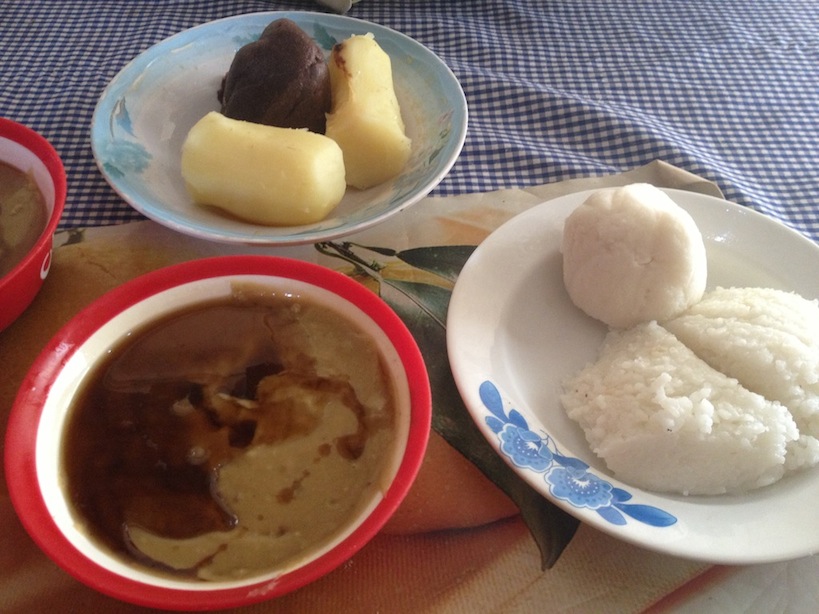
Example meals:  a plate of sweet potato and posho (stiff maize porridge) with a bowl of beans in a sesame paste sauce; kwan kal (stiff millet porridge) with boiled greens, tahini mixed in the green water; rice with a bowl of smoked goat meat stew.

fresh fish, sesame pasted greens, stiff millet porridge, sweet potatoes

One of my favorite meals, also an Acholi staple, is sesame paste mixed with mashed, cooked pigeon peas (dek ngoo) drizzled with dark shea nut oil (moo yaa).  Eat this by dipping in pieces of sweet potato or kwan kal.  These are typical lunches and dinners.

dek gnoo and moo yaa, with stiff maize porridge rice on the right

Breakfast is varied.  Some skip it, especially if they live in poverty and work all day (sure, call it a “feeding window, or just malnutrition).  Milk tea and milk instant coffee are very popular, with a milk-to-water ratio of 1:1 loaded up with table sugar.  The milk here is delicious– largely local and grassfed, it tastes so rich and sweet (a Ugandan colleague’s wife, who lived in the US for a year, told me “American milk doesn’t taste like milk”).  Millet porridge is served in some schools for breakfast.  A popular drink for children is milk, fermented or fresh, mixed with some kind of grain (I’ve heard millet or corn).  More common outside of the north, but still present here, is katogo:  stewed plantain or banana with offal or groundnuts.  Groundnuts are very similar to peanuts, and people buy them roasted for breakfast or snacking.  Groundnut stew (similar to a mild peanut sauce) is common elsewhere, but sesame paste stews are more common here.  Overall, the food variety is less than other places I’ve traveled, and the dishes are quite plain with little spice or herb additions– low food reward, perhaps.

That all sounds wonderful, but I left out a big part of the common diet:  wheat, vegetable oils, and soft drinks.  All new additions to the food tradition, sometimes supplanting old foods.  Indian influence means chapati and samosas are common street foods, cooked in vegetable oils, of course.  Loaves of bread are becoming a staple, as well, and some people eat it with a schmear of sesame seed butter for breakfast.  I was happy to discover how common eggs are, but if I eat out, they are always fried brown in veg oil.  So it goes.  Within the ubiquity of food insufficiency in a context of very limited healthcare, I fear the implications of substituting already meager dietary items with these industrial foods.

Modern staples: vegetable oils, toilet paper, and soda

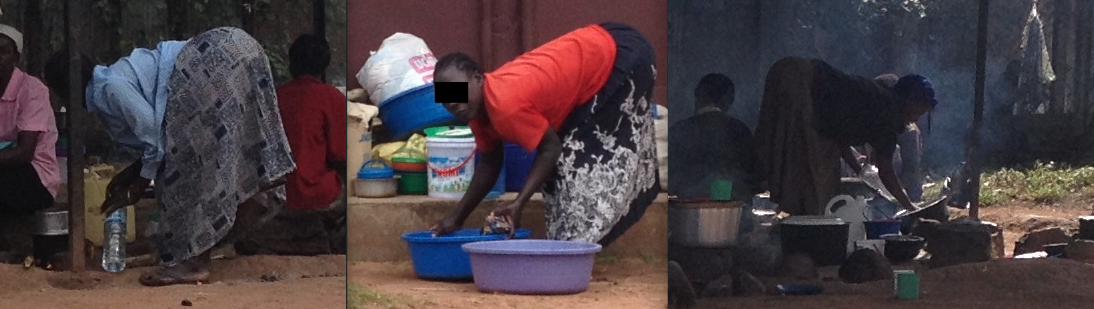
Walking around, I see people in positions that could be in Gokhale’s book.  The women work hard– constantly bent over to cook, wash dishes, do laundry, and clean floors (brooms are 2-3 feet long and made from reeds, mops are rags that you move with your arms).  They stay bent at the waist with perfectly straight backs, motivating me to keep stretching the hammies…

Women at work

 Some of these chores are done squatting, too.  Otherwise, the women can be seen transporting heavy objects on their heads, from 5 gallon jugs of water to sacks of grain.  This is all done with a baby wrapped to their backs.

I could be wrong, but perhaps these practices are the reason I see less postural kyphosis in the elderly ladies.  Also, I should mention that gyms are nearly nonexistent, and the only time I see running is when people get caught in the rain, are playing football (soccer), or are white people doing aid work or research (that’s me! But my research involves too much time at a desk).  Strenuous jobs are the norm, and most people don’t have cars.  Walking and bicycling are the rule.  Most of the footwear I see are thin sandals (minimalist), and it’s common to see barefooted people walking around, especially outside the towns (poverty).

About 100 years old, but I’m told these are still made in some villages

The lack of street lamps, along with daily power outages, and the fact that the vast majority of homes don’t have access to electricity, means that people generally experience natural darkness as the sun sets.  I’ve been heading to bed much earlier, especially since I cannot sleep past 5 or 6 am due to the roosters.  If I go to bed early enough, I often wake up in the middle of the night for an hour or so before a “second sleep”.  One of my colleagues (a Ugandan) does this, too, but I cannot generalize beyond us.  He and his family sometimes take a little siesta after lunch, too, which I can certainly get behind.  I can also check off items from the recent MDA post on hormesis.  I already mentioned the exercise and calorie restriction, and sunlight exposure is a given in a country on the equator.  Also, without modern conveniences such as electricity and hot water heaters, all showers are cold showers!

Another topic I want to touch on is Acholiland’s continued tribal culture.  Traditional dance and music is at the heart of this.  I frequently hear drums in the distance as I walk, and I’ve seen groups of students in universities meet up for dances in the grass.  For more on the healing power of traditional music and dance, track down the 2007 film War Dance, an incredibly beautiful but heartbreaking story about school children in Northern Uganda.  I have yet to read my book on the history of the Acholi tribes, so the majority of my info is from conversations with Ugandan friends, one of whom is the designated leader of his clan.  The presence of tribal culture is strong, the sense of belonging is crucial, and excommunication from your clan is considered a punishment worse than death.  Clan leaders are still called upon to resolve disputes or offer advice.  [See the Al Jazeera documentary, Bitter Root, for how these traditional practices lead to reconciliation, rather than retribution, for former abducted-children-turned-rebel-soldiers, taking the justice system from the hands of the government to the realm of tradition].  Distant relatives are sometimes described using nuclear family nouns– the son of your grandpa’s cousin’s kid is your brother– and everyone feels a sense of responsibility and goodwill towards other members of their clan.  This sounds like ubuntu, the topic of Frank Forencich’s talk (Africa reference?) at AHS, which I missed because I had to run back to New York that day.  I should mention that everyone here was thrilled when Obama won, and they often cite that sense of brotherhood they get from him, along with his more skillful way of taking care of the poor.

That’s my account so far, but remember that some of this information came from people who may want to tell the foreigner something interesting, rather than common, and then that data is filtered through my biased brain.  And of course, I can’t talk about these things without sprinkling in some political, economic, and social issues facing the Acholi.  An ancestral health picture is nice, but it’s not complete.  Acholi tradition has been undermined by forced migration into internally displaced peoples camps for over a decade, ending merely a few years ago, preventing the practice of many cultural rituals.  They were without land, independence, and other means to continue traditional livelihoods.  On a few occasions, I’ve been able to informally talk with Acholi elders.  They never fail to remind me how the IDP camps destroyed their peoples’ culture and morals, as well as fostering drug abuse, rape, and disease.  And yes, the foodways and hormesis sound great, but people are starving here.  Naturally active livelihoods are awesome, but not when they are the result of extreme gender inequality where women have no choice.  It’s sweet and heartwarming that man-on-man handholding is so common– brotherhood, right?  But it’s scary that the same affection towards your wife is risqué, or that you could be killed or imprisoned if you engage in love outside the bounds of heteronormativity.  Blame it on the proximate lack of education, former colonialism, or widespread Christianity, but it’s happening.  And let’s not start on the infectious diseases, government corruption, illiteracy rates, motor vehicle accidents, and lack of good healthcare.

So what can we learn from these people, a group so geographically close to the Hadza, Batwa, and Karamojong, close to some of the earliest human remains in the archaeological record?  The answer seems largely irrelevant.  We have a lot of the answers we need about diet and lifestyle.  Perhaps this is a case where we should ask:  what can we give of ourselves?  The ancestral health community has gained a lot from the study of indigenous groups, so what can we do in return?  How will we enable empowerment and protect culture?  American health trends have a global effect, so how can we be the example of doing this in a positive way?  Why was the apropos panel on Reclaiming Latino Health so under-attended, compared to the lamentable, stale debate on… potatoes?  Were we fighting with the Pima to protect their water?  Has anyone heard of the Decolonizing Diet Project?  And for the egocentric: more preservation of cultural heritage means more research opportunities to figure out the perfect post-workout meal…  I mentioned missing Forencichs’ talk, but when I read how greatly he inspired people, I looked him up and found this relevant post.  Adele Hite, a speaker at the symposium, gave a list of ways to become more involved than just frequently-commenting-on-blogs.  Her examples largely involve the USA, but I don’t see why our scope cannot transcend self-created national borders.  This already happens in research and blogging, so why not in action?  Involvement in other cultures demands care and scrutiny (you want to avoid dead aid), but I think this community is smart and thoughtful enough to create a significantly net-positive effect.  We’re crafty people, and we’ve already accomplished so much.  Some organizations are doing exciting, ancestral-health-minded things, like this medical clinic in Burundi.  They started a native foods garden, along with the administration of agriculture education programs, to combat widespread food insecurity that took place after the civil war and genocide– a nice solution to what many food aid programs stick a bandaid on by creating relationships of dependency using their culturally inappropriate bags of wheat and jugs of vegetable oil.

I’m merely a student, so I cannot provide all the answers, but I hope the bulk of my career will work on these issues.  I think this community is also up for the challenge, as evidenced by the last symposium.  The blogging about micro/macronutrients is dying down, and our focus is getting bigger:  public policy, remarkable research projects, interventions, activism, creation of med student electives, and the introduction of evolutionary health into workplaces and grand rounds.  I’m not saying that global issues and cultural preservation need to supplant the other amazing endeavors born from the synergy in the ancestral community, but I look forward to more attention to these topics.  They are not tangential, but fundamental, to progress for us all.

Angela is a medical student at Cornell in NYC. If you’d like to read more of her observations (with less focus on ancestral health) you can check out her travel blog, I highly recommend it!  

Sandy has come and gone (at least in my part of the country- last I heard she was still making her presence felt somewhere in the middle of the country), but for me (and many fellow New Jerseyans) power has gone and not yet come back.  I weathered the storm in my apartment near school, and stayed there for the following day. When word came that my school would be closed for the entire week (the associated hospitals have remained open throughout), I decided to pack up my freezer and head back to my parents’ place (also without power) where there was storm damage that needed to be handled.

All things considered, my family and I were very fortunate with this storm. We are not on the coast and as such were spared the coastal flooding that has damaged so much of our Jersey Shore. We faired much worse with Irene last year, where flooding led to serious damage at our house and at our farm.  While Irene brought us water, Sandy brought us wind.  The majority of the damage after this storm (at least in our area) is due to downed trees or direct wind.

Of course, with downed trees come downed power wires.  As I write this, we approach 100 hours without power*.  At my apartment, while I lacked power, I had water (and while it lasted, the bit of hot water that remained in the tank). My parents’ old farmhouse is on a well, and as such lacks running water when the power goes out.  Luckily there is a stream that can be accessed for water to flush the toilets and we stockpile water in tanks for occasions such as this. We have lots of firewood stashed (and a good old wood-burning stove), so while the temperatures continue to drop we are able to keep ourselves warm the old fashioned way.  The biggest concern with extended power cuts (for us at least) is the risk of our 2 big freezers defrosting. With hundreds of pounds of beef, lamb, pork, and fish (not to mention veggies and berries), an extended outage gets a bit concerning.  Fortunately we have very generous neighbors who have a generator, and after a couple days without power they bring their generator over so we can plug in and recharge our freezers for a bit (as I write this, we’re on round 2 of recharging- so far so good).

At times such as this there are a number of things for which I’m very grateful .

1-    Health. If you aren’t physically well and physically able this manner of glorified camping could turn into hell.

2-    A gas stove. Seriously. The power may go out, but at least I can still cook. What do people with electric stoves do?

3-    Firewood. And after this storm we’ll be set with firewood for many more years to come

4-    Friends with generators (who not only recharge out freezers, but also offer warm showers… saints!)

5- Merino clothing. Cozy and  stink free… need I say more?

With a limited water supply and a desire to keep dirty dishes to a minimum, I keep my cooking simple. Dinners have been big one-pot numbers (I cooked up a good beef shin bone 2 nights ago and I have lamb shanks on the go at the moment), and breakfasts have been soft-boiled eggs.

“Eggs and soldiers” (soft-boiled eggs served with slivers of toast for dipping) was a regular breakfast when I was a child.  While I haven’t had toast in years, soft-boiled eggs remain a regular part of my diet.  They’re quick, they’re easy, they require no preparation or clean up, and despite this I’m not sure I’ve ever met another American that eats them (my parents are English).  Soft-boiled eggs seem to be quite popular in Europe.  Not only are they part of English culinary history (Go to work on an egg), but I’ve seen them at a number of breakfast buffets while traveling in Germany.

I have no intention of writing a food blog. There are much more capable chefs (with much fancier cameras) who cook and write about delicious and nutritious healthful food (here’s a good example), but I’ll take this opportunity to introduce this tasty treat to my readers (and if I’m completely wrong and Americans are eating soft-boiled eggs like mad, please let me know!).

If you can boil water, you can boil an egg. The difficulty with making soft-boil eggs is getting the timing right.  I’ve sometimes heard soft-boiled eggs referred to as “4-minute” eggs, as 4 minutes is about as long as it takes to cook.  Some variables interfere, such as altitude, size of the egg and freshness of the egg (there’s nothing worse than overcooking a beautiful fresh egg still warm from the chicken!), but 4 minutes is a good estimate.

I’ll admit I almost never time my eggs. I invested in one of these gadgets a few years ago, and can’t recommend them highly enough. If you’re lazy like me and sometimes cook tons of eggs at a time, this little device can tell you when they’ll all be done better than any timer.  Worth every penny (I get no kickbacks, I assure you)!

Once your egg is cooked you can stick it in cold water to stop it from cooking too much or just eat it right away. Soft-boiled eggs are best enjoyed warm and are most easily eaten using an eggcup.  Here’s my favorite:

This was the eggcup my Nan would give me as a child when I visited her in England. I reminisced about it and she kindly gave it to me!

The next step is cracking the egg. This too, is easily done!

Once whacked, you can get to work and open up the egg. If all went according to plan, you’ll have a perfect soft yolk!

Mmmm…. Brains

I like mine with a bit of salt (and sometimes some pepper).

I’d like to thank my hens for eating such a nutritious diet and for having such lovely yolks!

It seems as though Brits are pretty keen on soft-boiled eggs (or at least they have been in the past). Maybe it’s because soft-boiled eggs are delicious, or maybe it’s because eggcups are kind of fun. There are lots of options, from cute little pants sets to fine silver.

An antique silver eggcup set- also from my Nan (I can’t believe anyone ever used these!)

Soft-boiled eggs are not only quick to cook with minimal cleanup (usually just a spoon) but they’re also excellent emergency food.  They’re very nutritious, and they can be cooked in water that wouldn’t otherwise be potable (love that shell!). I remember my good friend Jamie Scott  making that point when he wrote about his experience with the earthquakes of Christchurch.

In college I toured Iceland, including a visit to the geysers. I remember hearing that you could cook a soft-boiled egg in the sulfurous hot springs if you were so inclined (talk about Waste not, want not!), and I tracked down a video of some guys doing just that.  The kitchen method might be easier- no hot spring required!

(As the pictures might suggest, I am going a but stir-crazy, though I have to admit that life without power is not without its charms. I’ve read a big book of EKG interpretation cover-to-cover, dismembered a fallen old maple, fixed a chicken house, and taken the dog for a number of walks over the last few days. I’m also rather enjoying the darkness-imposed early bedtimes (now that it no longer sounds like the wind will rip the roof off from over me!)  More science to come- I do plan to get back to liver and lipids shortly!)


*This post is up courtesy of the photons and electrons of a local coffee spot… Thanks Riverside Coffee!

As my part of the country battens down the hatches as Sandy approaches (all the businesses in my town have boarded or taped their windows and sandbags line the sidewalk), it seems appropriate to write about nature.

The changing of the seasons is always a beautiful sight here in the northeast US.  Early in the year, greens and yellows of spring welcome a new year of growth and productivity.  The banner at the top of this blog is a picture taken in my parents’ garden of aconites, a flower that blooms in February when the rest of the world is still brown and gray.  Now, in the throes of fall, the changing of the seasons is obvious in the reds, yellows, oranges, and browns of the changing leaves.  When you see the cycle of the seasons, with trees budding and leafing out in the spring only to see the leaves turn color and drop 6-months later, it can seem a little wasteful.  So much growth, only for the trees to be bare once more.

But what is waste, in nature?

One of the arguments frequently used against the eating of meat is the toll that animal waste takes on the environment. The run-off of nitrogen-laden (not to mention antibiotic-riddled) water from large-scale feedlots can wreak havoc on waterways and land (though it bears mentioning that run-off of nitrogenous fertilizer from crop land can be equally detrimental).  In a non-industrial setting, however, is “waste” really such a problem?

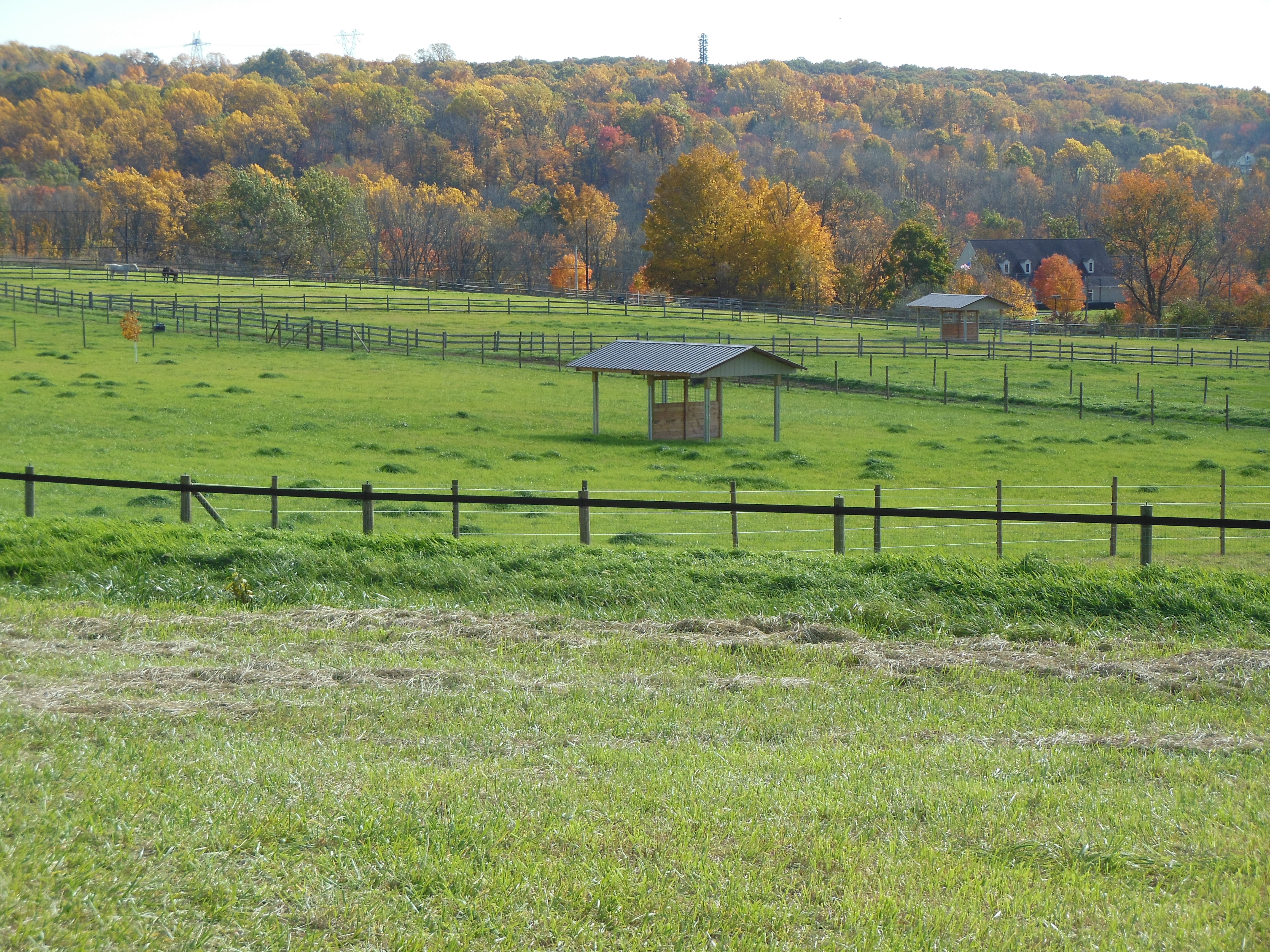
On the contrary- in a more natural world “waste” is not a toxic hazard, but rather an important part of life.  I snapped this picture at a farm near where I grew up. For as long as I can remember, this land has been “hayed” (in our area, farmers usually make 2, sometimes 3, cuttings of hay per year). In the last couple of years this land has changed hands, and now belongs to a vet with a great interest in grass-fed meats (as well as quality horses). The fields that have been farmed for vegetative crops will now be home to livestock… Just look at what their waste has done!

Animal impact: “waste” = growth

Look inside the fencing. See those dark green areas where the grass is particularly lush (and extra long)? THIS is what nature does with waste: nature turns waste into growth.

This land was productive as crop-land (you can see in front of the fenced land that part of this property is still in hay), but I suspect that with the return of animals to this land the grass will actually grow more, not less.  Hayed land can be (and should be) replenished with potash (for potassium), lime (to maintain an appropriate pH), and nitrogen (in some bioavailable form to help plants grow) to compensate for the nutrients being continually removed by the cutting and bailing of hay. While many farmers slack on replacing the more expensive lime and potash, most put down nitrogen to help the grass “pop” so they get a good yield (biomass). Putting animals on the land reduces (or eliminates- once the soil is replete) the need for added fertilizers, as the grass is not being shipped off the property as hay, but is rather being cycled right there on the property into biomass (beef) and fertilizer.

What our modern, industrial world sees as waste is really part of a natural (not to mention efficient) cycle…

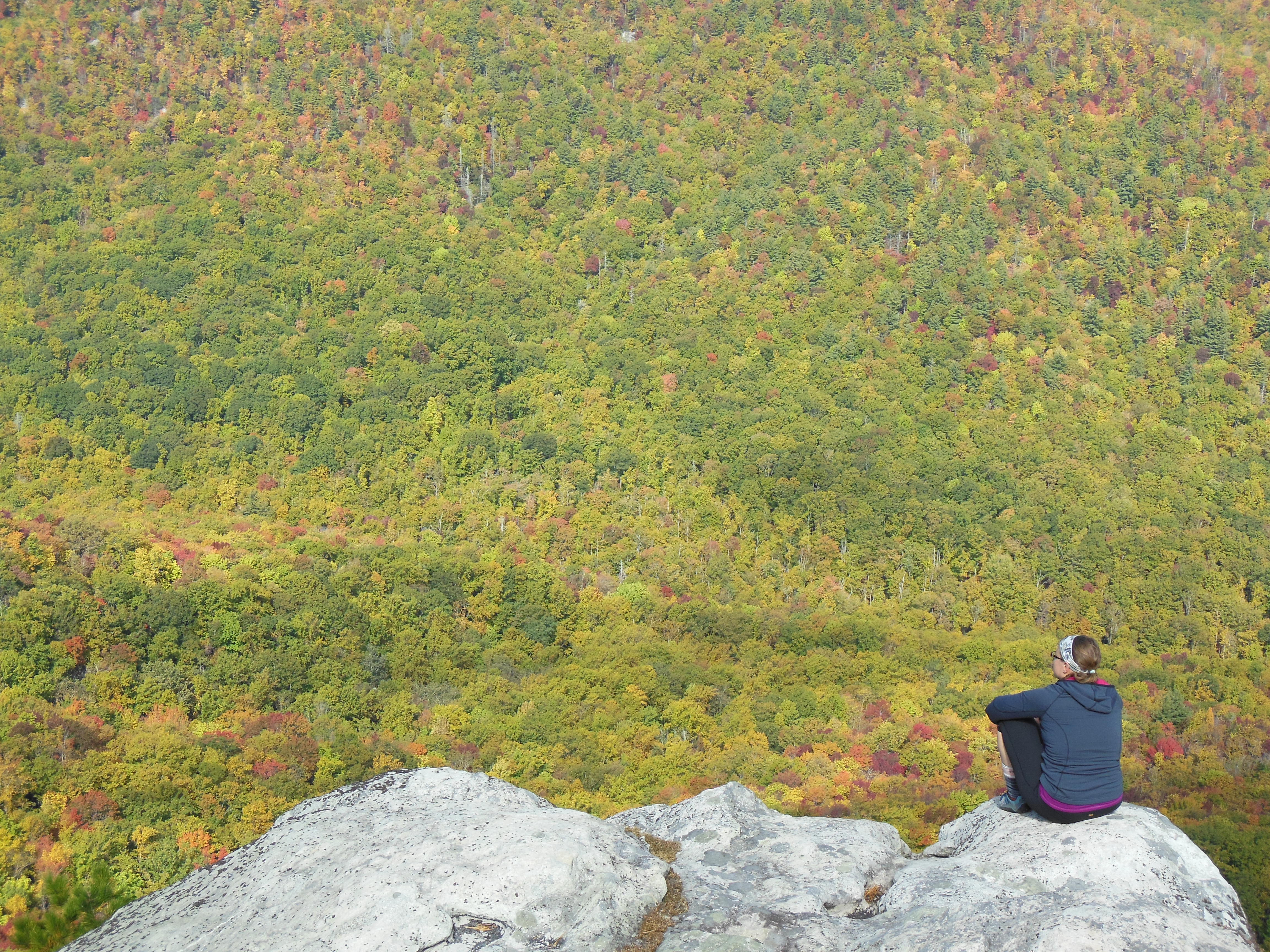
This isn’t just true with animals.  I recently took a lightening visit to go hiking in the mountains of North Carolina. With a surprise 3-day weekend on my hands (my out-patient medicine preceptor was sitting for the boards), I couldn’t say no to a last minute invite.  With views like this- I’m very glad I said yes!

It was almost the perfect time to visit, with leaves seemingly changing colors in front of our eyes. The palette of fall colors was stunning, and led to an enjoyable arts and crafts session of the patio of my friend’s cabin while enjoying a post-hike cider.

Nature- embrace the rainbow

In the woods, these leaves lay where they fell (save the ones I carried back or the few the chipmunks and squirrels use to cushion their nests).  Again, it can seem like a dreadful waste, until you realize that this process, which occurs every year, feeds the insects, grubs, fungi, and molds that turns these leaves into rich topsoil to encourage new growth.

One childhood family activity that I remember was raking leaves. I somewhat fear that the advent of leaf blowers has replaced good old-fashioned rakes (and more importantly, good old-fashioned leaf piles that were great for jumping in!), but whatever the mechanism of collection, leaves are generally not abided in our modern world. While I take no issue with clearing leaves, it pains me to see leaves bagged up and put out to be collected as “trash”. There is definitely an increase in people composting “yard waste”, but the name, again, shows how people see the world and nature- a progression, not a cycle.

A bit of google-mining suggests that the saying “Waste not, want not” can be attributed to Benjamin Franklin (1706-1790), but it is nature that best embodies this philosophy.

(Stay safe out there- all my fellow northeasters in the path of Sandy!)

Many people get their start in the ancestral health/evolutionary wellness world through food.  Be it “paleo” or “primal” (or perhaps the ever practical advice of Dr. Emily Deans: “Don’t eat like a Jerk”), most people start this journey with food, and then start to apply the evolutionary mindset to other aspects of life. Once the logic of “eating evolutionarily” sets in (and once you realize how good you look and feel while doing it), you might start to apply the evolutionary approach to other aspects of your life.

Once you’ve been at this long enough, you start to think about the evolutionary aspects of everything- food, movement, socialization, sex, sun, stress, and sleep (so many s’s!)- but it seems that the two that most frequently go together are food and feet.  The exact timeframe may vary, but there’s usually not a huge gap between someone adopting a “primal” or “paleo” diet, and someone purchasing their first pair of Vibram Five Fingers– and so your migration to the fringe begins…

The jump from an evolutionary approach to food to barefoot running is an appropriate one.  The evolution of the foot (and our ability to run) is often traced to the human ability to run down prey, and thus the evolutionary argument that meat is an important part of an appropriate human diet. From an evolutionary health perspective, the argument that “these feet were made for moving” (without the help of massive rocker-bottom shoes) just starts to make sense, and might just prevent (or explain) injury.

If you’re not familiar with the arguments for a barefoot approach (or if you are, but haven’t seen this video), I highly recommend the following brief video, made to accompany this paper [1], in the eminent journal Nature*.

It certainly makes sense that a forefoot foot strike pattern inline with our evolutionary “design” might be protective against running-induced injury.  Indeed, a small retrospective study that was published this July showed exactly that.  In cross-country runners, those with a forefoot foot strike had significantly less repetitive stress injuries than their rearfoot-striking counterparts [2].

Embracing the barefoot message does not mean you have to embrace actually going barefoot.  You can see from the VFF link above that there are options for those who want the barefoot experience without the unpleasant effects of doggie-doo.  For those worried about being labeled part of the monkey-foot army, have no fear- there are minimalist options out there that are relatively indistinguishable from *regular* footwear.

In the last few years there’s been an explosion of minimalist or “barefoot” shoes. Those in the market can chose from a number of mainstream or more esoteric brands.  From New Balance Minimus Zeroes and Merrel Gloves to Vivobarefoot and some of the Inov-8 options, there are many options for the barefoot enthusiast to try.

I’ve gone through a number of pairs of VFF at this point, with the rather simple KSOs being my style of choice.  I’ve endured the occasional joshing from friends and entertained many questions from strangers out on trails, and am generally enthusiastic about VFFs, but they’re definitely not a “stealth” minimalist shoe.  On the other hand, the Vivobarefoot sneakers that I wear in the hospital look like totally normal sneakers. [I’ll admit my favorite hospital “outfit” is the 4 S’s- Scrubs, Sneakers, Sweatshirt, and Stethoscope]

I’m not here to write a review of the Vivos I’ve been wearing (though they’ve been great for me). My advice for anyone looking to explore minimalist shoes is to go to a store and try on the different options. I know some people love the Merrel line, but they’re definitely too narrow in the arch area for me (they leave me feeling like I’m in shoes with big arch support).  I want to try the NB Mimimus Zeroes (the newest NB “barefoot” option with no heel drop) before I purchase my next pair of sneakers.

Shopping for a new pair of sneakers is definitely on my mind, as I’ve recently realized that my original pair of Vivos is on the way out. They’re had a good run, but some of the luggs are now totally worn down, and the sole is starting to erode too. I hadn’t noticed in the way they wore, but when I flipped them over I was initially surprised to see where there was wear.

Ever since I was a kid I’ve been “hard” on sneakers. I’ve worn through the soles of many shoes (and stomped down the back of many an unlaced sneaker- much to my parents chagrin). In the past, I’ve always noticed that it was the heels of my sneakers’ soles that went first.  With my Vivobarefoots, the wear is only prominent at the ball of my feet. I dug up an old pair of sneakers (not worn out, as I switched over to minimalist options before these were done) and you can clearly see that the greatest wear is in the heel areas. Yes- there is some wear in the toes, but not much. For contrast, look at my ailing Vivos.

The different wear patterns in my last pair of normal Merrels and my minimalist Vivobarefoots.

For me, this is pretty convincing evidence that minimalist shoes do, in fact, encourage the midfoot strike that is desired by those that go barefoot. That’s not to say that minimalist shoes are a cure-all for heel striking. You can check out this video from the 2011 NYC barefoot run to see the variety of footfall patterns- many of those with minimalist shoes have a different footfall from the truly barefoot, with a couple examples of heel-striking in minimalist shoes… ouch!

Some technical difficulties aside, minimalist shoes are definitely a step in the right direction (pun intended?) for those wishing to get a more “evolutionarily appropriate” footfall, without going truly barefoot (or for those who might like to go barefoot, but are constrained by social norms (or hospital policy!))

Lunch/sun break on a sunny day on my surgery clerkship.

Usual disclaimers apply- minimalist shoes are not for everyone. Getting accustomed to minimalist shoes can take time. Consult a medical professional before starting any exercise regime. Go in search of the Wizard of Oz (NOT DOCTOR OZ!) if you are in need of your own brain.

*For those keen on reading more about evolutionary medicine, Daniel Lieberman published an article on evolutionary medicine and barefoot running in April [3].

1.         Lieberman, D.E., M. Venkadesan, W.A. Werbel, A.I. Daoud, S. D’Andrea, I.S. Davis, R.O. Mang’eni, and Y. Pitsiladis, Foot strike patterns and collision forces in habitually barefoot versus shod runners. Nature, 2010. 463(7280): p. 531-5.

2.         Daoud, A.I., G.J. Geissler, F. Wang, J. Saretsky, Y.A. Daoud, and D.E. Lieberman, Foot strike and injury rates in endurance runners: a retrospective study. Med Sci Sports Exerc, 2012. 44(7): p. 1325-34.

3.         Lieberman, D.E., What we can learn about running from barefoot running: an evolutionary medical perspective. Exerc Sport Sci Rev, 2012. 40(2): p. 63-72.

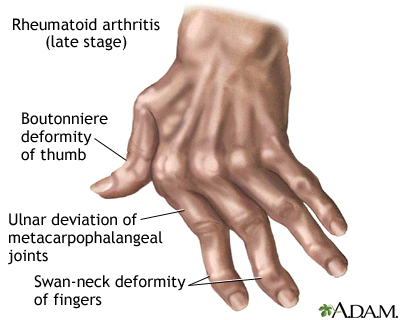
I’m currently on a 2-week rheumatology “selective” (A select elective- someone thought they were being very clever when they came up with that one!).  From a list of about a dozen medical specialties, I ranked Rheumatology fairly highly and it’s the specialty that was assigned to me during the lottery.  I’m going to guess it’s not a very popular selective amongst third year, as I’m the only medical student out of 6 rotations in our clerkship that will be rotating through the rheumatology clinic (GI, telemetry, and cardiac critical care seem to be the top picks for most medical students- 12 students are doing electives in each of those specialties over 3 months, I’m the lone student in rheumatology!). Be that as it may, I was personally very happy to get assigned to rheumatology, though I’ll be honest and say that I wasn’t exactly sure what I would be seeing on the service…

Rheumatology is a sub-specialty within internal medicine focused on the treatment of… rheumatological disorders.  I’m not trying to be obtuse, but while hepatologists treat the liver, nephrologists treat the kidneys, and cardiologists treat the heart, rheumatologists don’t really have an organ (or an organ system like gastroenterologists or endocrinologists) of focus. Instead, rheumatologists treat arthritis, autoimmune diseases (the ones that others don’t want to claim- Type 1 diabetes, for example, is treated by endocrinologists, Multiple Sclerosis is treated by neurologists), and pain disorders.  Rheumatologists spend a lot of time with clinical problems involving joints and soft tissue, but the conditions they treat can also manifest as vasculitis (inflammation of the blood vessels), fibrosis, or just about anything.  The common thread that ties together rheumatologic disorders is some component of autoimmune dysfunction- the body attacking itself.

You would (correctly) assume that rheumatologists see a lot of people with rheumatoid arthritis, but they also are the clinicians that get the most puzzling “WTF?!” cases.  Rheumatologists treat people with Lupus, Sjögren’s syndrome, Reynaud’s phenomenon, sarcoidosis, scleroderma, a host of other rare and mysterious disorders, and a number of people who obviously have something “wrong”, that no one can quite label. If you’re in the medical profession and you have a confusing case, lupus is almost always somewhere on the differential diagnosis. If you’re a House MD fan, you might think “It’s never lupus”, though of course it sometimes is!

Treating rheumatological diseases is difficult. Depending on the diagnosis, there may be no recognized treatment or many pharmacological interventions. Unfortunately, while some of the drugs work for some of the people with some of the conditions, there are many people who reap no benefits from pharmacological intervention. Also, as the drugs that are used to treat these disorders are generally meant to suppress the immune system, treatment often comes with unpleasant side effects. It is generally believed that you cannot “cure” rheumatological diseases- you can treat, mitigate, and hope for remission, but a diagnosis of lupus (or any other rheumatological diagnosis) is a lifetime diagnosis.

There is a real paucity of understanding of the pathogenesis of rheumatological diseases.  It is generally recognized that there is a genetic predisposition to these diseases, and some are associated with specific HLA markers.  However, not everyone who gets these diseases has a known marker or a family history, and not everyone with a family history or a known marker gets disease.  There is a lot of research being doing exploring the pathogenesis of a number of these diseases (though some are very rare diseases, and as such are rather understudied and under-explored for pharmacological intervention), but there have yet to be any great breakthroughs in their understanding.  (To give you an idea of how poorly understood these conditions are, check out the PubMed page on Lupus – everything is very vague!)

I do not pretend to have a deep knowledge of rheumatological diseases, nor am I particularly well versed in the research that has been conducted exploring these conditions (it is definitely not my field of expertise), but my experience, my clinical education, and my academic pursuits have led me to suspect that many of these diseases are the result of the increasing mismatch between our evolutionary past and our modern world.

It appears to me that many rheumatological disorders (though probably not all), are caused by a 3-pronged attack. First, there is a genetic component that makes some individuals prone to disease.  This is likely a component of the immune system that, when presented with an evolutionary-novel antigen, turns the immune system on in a way that leads to an auto-immune response. Or it might also be a non-immune system component that is an epitope that is targeted by our immune system after it has been activated by an evolutionary-novel insult. While viruses have been implicated as the source of some of the inappropriate activation of our immune system, it seems to me that the gut is likely a greater source of disorder for many individuals.  In the presence of the second contributory factor, a leaky gut (as I discussed briefly in my post on Liver Saving Saturated Fats), novel antigens from the diet are able to make their way into the body where they can activate the immune system in susceptible individuals. This is probably magnified by the third major contributor- our immune system built for another time.  Our immune system has evolved significant gun-power to keep us safe from the parasites and microbiota that occupied our body through the course of evolution- in the absence of an appropriate opponent (helminths or otherwise), and in the presence of a novel target that looks a bit like oneself, the immune system turns on itself.

These are the basics of my thought process on an evolutionary approach to rheumatological diseases, although this argument should be expanded to include the role of Vitamin D (indeed, it appears Vitamin D levels are inversely correlated with the risk of developing and the severity of symptoms of rheumatoid arthritis [1]), the role of cortisol and stress on the immune system, and other factors that effect gut permeability such as stress and high intensity exercise (dietary factors tend to be most frequently implicated in problems of gut permeability).

So how does this hold up? Well- to my knowledge, there hasn’t been any research exploring the effects of an evolutionary-appropriate lifestyle on rheumatological conditions (and, as with so many conditions, one always has to consider what type of results you might see with a lifestyle intervention when disease is already present, instead of trying to prevent disease from the get-go). What I can say from my experience in rheumatology clinic is the following- with rare exception, the patients with rheumatological disease look sick (and I’m not talking about the tell tale signs of rheumatoid arthritis). They are pale, they look tired, they report being fatigued, they get little sleep (and that which they do get is very poor), they are frequently very overweight, and they are very stressed. I’m not saying that these factors cause the disease (and in some cases the disease probably causes the other problems), but it is additional evidence that the patient is unlikely to be living an “evolutionary appropriate” lifestyle.

In my readings, I did come across an interesting paper [pdf] that looked at the prevalence of rheumatological disorders in Australian Aboriginals.  I’m not surprised (and I hope you’re not either), that

“No evidence was found to suggest that rheumatoid arthritis (RA), ankylosing spondylitis (AS), or gout occurred in Aborigines before or during the early stages of white settlement of Australia… Since white settlement, high frequency rates for rheumatic fever, systemic lupus erythematosus, and pyogenic arthritis have been observed and there are now scanty reports of the emergence of RA and gout in these original Australians.” [2]

In contrast, it appears that indigenous people are currently more prone to rheumatological disorders [3].  This does not surprise me, as the factors that likely cause these diseases have been thrust upon these populations in the course of one or two generations, unlike the gradual decline of the “civilized” lifestyle that some of us may have some evolved resistance against.  Disappointingly, researchers seem to be more interested in exploring genetic predispositions, rather than the lifestyle factors that are likely the drivers of disease.

So what is there to do?  Firstly- I feel that people with rheumatologic disorders would greatly benefit from an ancestral approach to health. This includes, but is not limited to: an evolutionary appropriate diet, adequate vitamin D (ideally synthesized endogenously from sunlight exposure), sleep, stress management, and movement.  Does this help? It certainly appears to, judging from the N of 1 experiences that dot the internet:

Here are some success stories:

Rheumatoid Arthritis via Robb Wolf

Lupus via Julianne Taylor

Takayasu’s Arteritis via The Domestic Man

Much as when I wrote about my experience with psychiatry, I feel like rheumatology patients are a population that lack a voice. People “get it” when you have a kidney problem, or a heart problem, or even if you have a back problem, but people don’t seem to believe that the symptoms that a rheumatology patient experiences are real. They hurt, but why? They have joint pain, but why? Even with our patients- some seem to (sadly) accept that this is their lot in life, but many want to know why.  The answer, it seems to me, is that these are people whose bodies react in a violent manner to the mismatch of our modern world with our evolutionary expectations.

My hope is that, by looking at disease through the lenses of evolution and in the context of ancestral peoples, rheumatology patients (and others) can be steered towards a lifestyle that takes our evolutionary history into consideration.  We don’t have to forsake the comforts of the modern world (and we should take advantage of modern medical advances!), but perhaps we could all find a better balance of exercise, sleep, nutrition, and lifestyle for our health, and for our happiness.

1.            Song, G.G., S.C. Bae, and Y.H. Lee, Association between vitamin D intake and the risk of rheumatoid arthritis: a meta-analysis. Clin Rheumatol, 2012.

2.            Roberts-Thomson, R.A. and P.J. Roberts-Thomson, Rheumatic disease and the Australian aborigine. Ann Rheum Dis, 1999. 58(5): p. 266-70.

3.            Peschken, C.A. and J.M. Esdaile, Rheumatic diseases in North America’s indigenous peoples. Semin Arthritis Rheum, 1999. 28(6): p. 368-91.

(I wrote this a few weeks back as I was just starting the first portion of my internal medicine clerkship. I was obviously rather energized at the time, though my thoughts now remain generally the same. More science-y posts to come, I promise, but for now it’s hard to find time to put together such posts!)

____________________________________

Our current medical system does not fit our current medical condition.

Our health-care system was built on the premise of people being relatively healthy until they became significantly sick.  By those standards, our medical system has been hugely successful. Antibiotics routinely save people who would die without medical intervention. Trauma surgeons routinely put people back together who would have died 100, or even 10 years ago (and put them back together better and faster with improving technology).  Today, conditions that used to be major killers- meningitis, endocarditis, pneumonia- are usually (though not always) successfully treated.  The pediatrics floor of my University’s hospital is frequently almost empty- most serious diseases of childhood are now prevented.

Yet people see our medical system as a failure.

And it is.

Our medical system fails to prevent the preventable.  Rates of diabetes, cardiovascular disease, and “diseases of civilization” are increasing exponentially.  The expense of our medical system is unaffordable. As much as we are able to treat the sick, we often fail the ill.

Different doctors have different views towards medicine. Some are rather paternalistic; some are loud proponents of patient autonomy. For the most part, however, all hospital-based doctors know they can’t keep their patients in the hospital until they are healthy. They treat them, and when they are ready to go home (or to a rehab center or nursing home), they are discharged. The problem is- you can treat an infection or a crisis, but you can’t treat a lifestyle.

When a patient comes in with Acute Coronary Syndrome (ACS- a term that refers to a spectrum of cardiac conditions from unstable angina to a severe myocardial infarction) and four risk factors (let’s say diabetes, hypertension, dyslipidemia and a history of smoking), what is the job of the hospital team?  They CANNOT fix all the underlying factors. Their job is to stabilize the patient, make a diagnosis, and treat their current condition.

Who is “to blame” for this situation?  Is it the patient that lived a lifestyle full of cardiovascular risk factors? Is it the fault of the patient’s family that never taught the patient, as a child, how to cook and care for themselves? Is it the fault of the community for not providing safe playgrounds for the patient when they grew up, leading to a sedentary lifestyle? Is it the fault of the education system, which might have fed this patient disastrous food while preaching the benefits of the food pyramid (if they taught anything nutrition-related at all)?  Is it a lack of physician availability, which leads to ‘dead zones’ where no primary-care physicians can be found, even if you have insurance or can pay for care?  Is it the failure of the patient who took at face value all the ill-guided “health-care” advice they were given (or perhaps, is it their fault for blatantly pursuing a lifestyle that no one would suggest is healthy)?

Our system was built around the premise of people being healthy until they got sick. We currently live in a world where most people are chronically ill.

It’s a fun thought-experiment to imagine what we could do with modern medical tools and technology with the patient base of 100 (or 10000?) years ago.  What would the hospitals look like in a world where patients ate real food, moved, lived, and interacted like humans, but with all the marvels of the modern world?  It’s a pretty dream to dream- especially if you are a physician (or future physician).  Helping people return to health is rewarding. Patching people up to die another day is exhausting, and frequently demoralizing.

Some say the system is broken.  I wouldn’t necessarily disagree, though I’d be apt to argue that we have some pretty amazing skills and tools, but we’re working in a broken world.  No one person can fix this. No one profession can fix this.  What are you doing to make things better?

Imagine there’s no diseases of civilization
It’s easy if you try
No collapsed arches below us
Above us only Vitamin-D producing sky
Imagine all the people living for today

Imagine there’s no diabetes
It isn’t hard to do
Nothing to chronically treat or amputate for
And no exogenous insulin too
Imagine all the people living life in peace

You, you may say
I’m a dreamer, but I’m not the only one
I hope some day you’ll join us
And the world will be as one


(Humblest apologies to all John Lennon fans… I couldn’t help myself)

There will always be disease. There will always be trauma. The question is: how do we handle these things, minimizing illness and maximizing the enjoyment of life?

__________

An addendum…

A friend and classmate made a good point over on my facebook page. I’ll paraphrase.

Our hospital’s pediatrics ward is empty because we’re not a peds specialty hospital and all the intense cases get shipped to a hospital with more pediatric specialists or to a children’s hospital.

It’s a good point, but if anything I think it strengthens my argument. We no longer have the bread-and-butter pediatric diseases of yore. Our pediatricians aren’t managing polio, treating a bunch of meningitis, or rehydrating children with rotavirus. On the other hand- the children’s specialty hospitals are now treating things that were previously unseen because children died. Children with rare and complex disorders now survive and are treated at specialty hospitals, while the run-of-the-mill pediatric illnesses fall into distant memory (though Pertussis is making a nasty comeback).

When it comes to pediatrics, we’re making great headway in keeping children healthy (though the rates at which our children are getting “adult” diseases such as Type II Diabetes are terrifying). What we do see, at least at our hospital, is a failure of good pre-natal care, leading to complex and problematic pediatric conditions… Again- it’s the lifestyle stuff that we struggle with!