Feeds:
Posts
Comments

…thoughts on hiking, med school, and life…

The last couple of weeks have been a bit of a whirlwind.  First there was the Ancestral Health Symposium (more on that later- if I ever get my thoughts together), then there was the flurry of activity that marked the end of my Family Medicine Clerkship (topped off with a nice 2.5 hour exam), and before the dust settled I was off to the airport to make the most of every hour of the one-week vacation that my school grants third year medical students at the end of the Family Medicine Clerkship.  I spent that week touring Colorado with my long-time best friend.

I expect that everyone has heard the phrase “It’s the journey, not the destination”.  A quick internet search suggests that this gem comes from Ralph Waldo Emerson (1803-1882), though this is unsubstantiated by any reference… Sourced or not, it seems to be a sentiment that most people can get behind.  My recent mental meanderings- while hiking, while musing about med school, and while thinking about life- have me wondering otherwise.

I enjoy hiking.  As the demands of my degrees have changed I’ve had to take a step back from my equestrian endeavors and embrace other activities that can be picked up and put down a little more easily.  I’ve had a pretty good season for hiking thus far- hitting up a number of beautiful locations.  Some, like my recent trek up Matterhorn Peak in Colorado, were out and back trips, while others, like Falls Trail at Rickets Glenn in Pennsylvania, were scenic loops.  When it comes to hikes, these two adventures were very different.  Climbing the Matterhorn was, in all honesty, a grueling trudge through rather stark scenery to “bag” a 13er (a peak over 13,000 feet- Matterhorn is 13,590).  The Falls Trail at Rickets Glenn, on the other hand, is a non-stop feast for the eyes of waterfalls and lush greenery that takes you back where you started, with no single “goal” for the trip.  In the context of this post, one could easily argue that the former was all about the destination while the later was about the journey.

I said that the trek to the top of Matterhorn was a grueling trudge.  I’ll admit that I was rather ignorant of what I was getting myself into when I boldly posited that “We should climb Matterhorn.” Honestly, I made this statement based on the general location (in the San Juans near where we wanted to camp) and the name (named after the Swiss peak- which has a much higher death toll!).  I didn’t quite realize when we set out the magnitude of the mountain we were climbing, nor the type of country we would be traversing.  Unlike the lush countryside I am used to exploring back east, much of the hike up to the summit was above the tree line, in alpine tundra.  While the trip to the top was interspersed with pauses in which I appreciated the absolutely awe-inspiring views, it was a hike that in all honesty was rather dull.  The top, however, was anything but dull. Visually, the uninterrupted views of the Rocky Mountains extending for miles were breathtaking. Personally, the satisfaction of successfully climbing (I’m mildly averse to the term “bagging”) a large named mountain was immense (and I did it in Vibram Five Fingers- an additional triumph).  Was the journey worth these end satisfactions? Yes! But in this circumstance- the destination certainly trumped the journey.

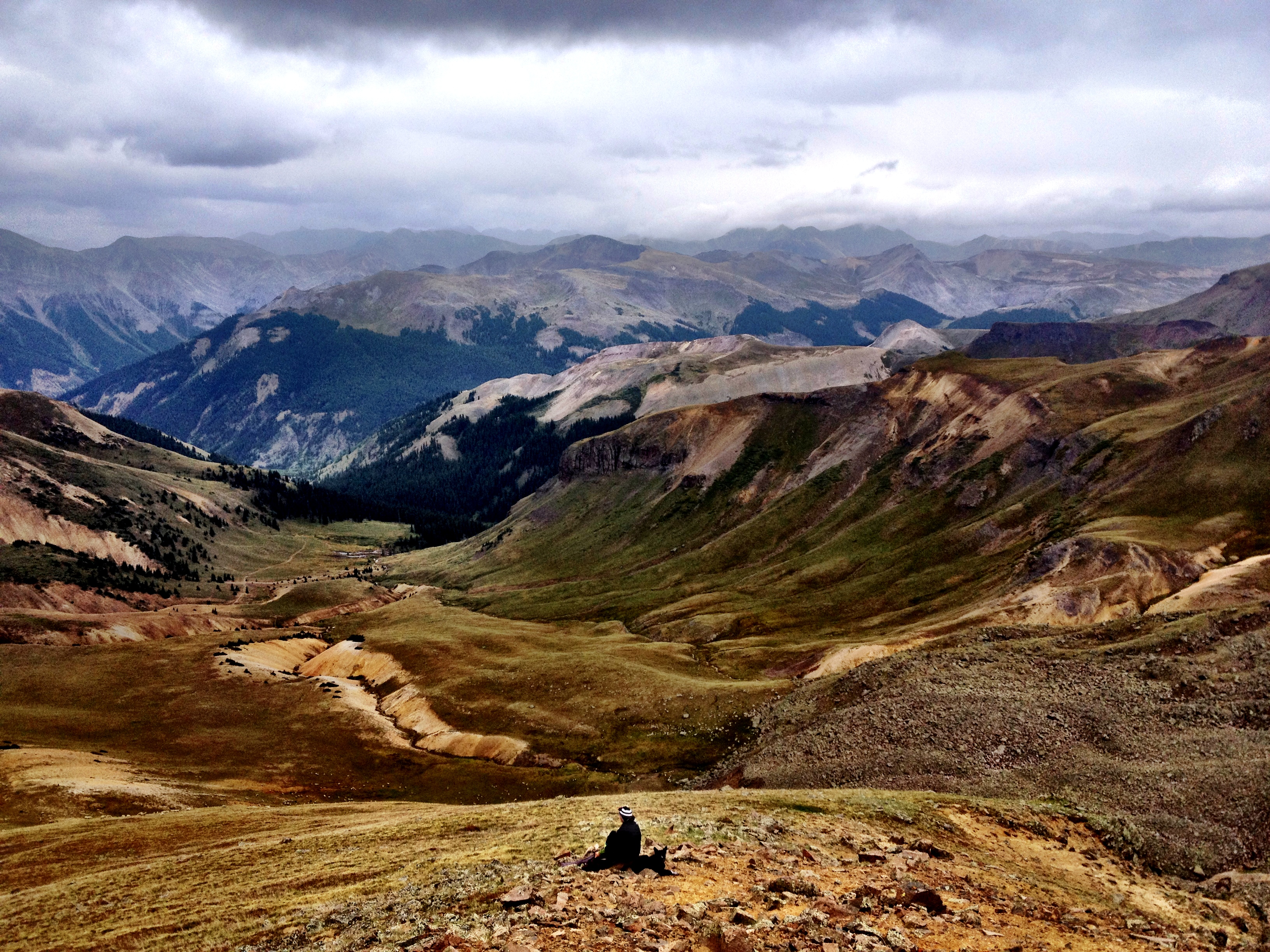
View from Matterhorn

View from Matterhorn: A place to think…

Med school is also a journey.  Much like the climb up Matterhorn, parts of it are grueling and significant portions are unpleasant.  There are, however, moments of awe and wonder.

There are people that grew up knowing they wanted to be a doctor; I was not one of them.  In fact, I actively told people I would not be a doctor when I was asked the dreaded “What do you want to be when you grow up?” question.  Even as I completed college my inclination was always towards research and not clinical practice, and I committed to an MD/PhD program with the thoughts of using the clinical knowledge (and the professional clout of the MD) to pursue medical research.  Much like climbing Matterhorn- I really didn’t know what I was getting myself into when I signed on to attend med school.  The MD/PhD degree was a destination, something to be obtained without much thought to the journey.

Now that I am in med school, and I recognize the magnitude of the effort required to reach this goal, I wonder- if I knew what I was getting myself into when I embarked, would I have started?  While it is surely not the case for everyone, I entered med school with my mind on the destination, with almost complete ignorance of the journey that entailed.  It has been, and continues to be, one hell of a journey.  There are many aspects of this adventure: the people I have met (classmates, friends, professors, and patients), the events I have experienced, the emotions I have witnessed, the intimate details of their lives that patients have shared… These have made for an incredible experience, and are things I would never have experienced without the end destination of a degree in medicine.

Playing at Rickets Glenn

Playing at Rickets Glenn: Sometimes it’s about the journey, and sometimes the journey is more fun when you go off trail!

Destinations change.  Sometimes they are unreachable, sometimes they are not what you expect, and sometimes they are just a point on the way to a yet further destination.  They do, however, inspire journeys.  Journeys vary based on destination, and while life is not a destination, one might argue (and indeed I do) that the journey of life gets more interesting when you choose a destination.

Choose a destination. It can be big or it can be small, but it should be something you choose. The journey of life seems much more interesting when you are chasing your own goal than when you are treading the path of someone else’s expectations. And don’t worry too much… you can always change your destination if a better one comes into view.

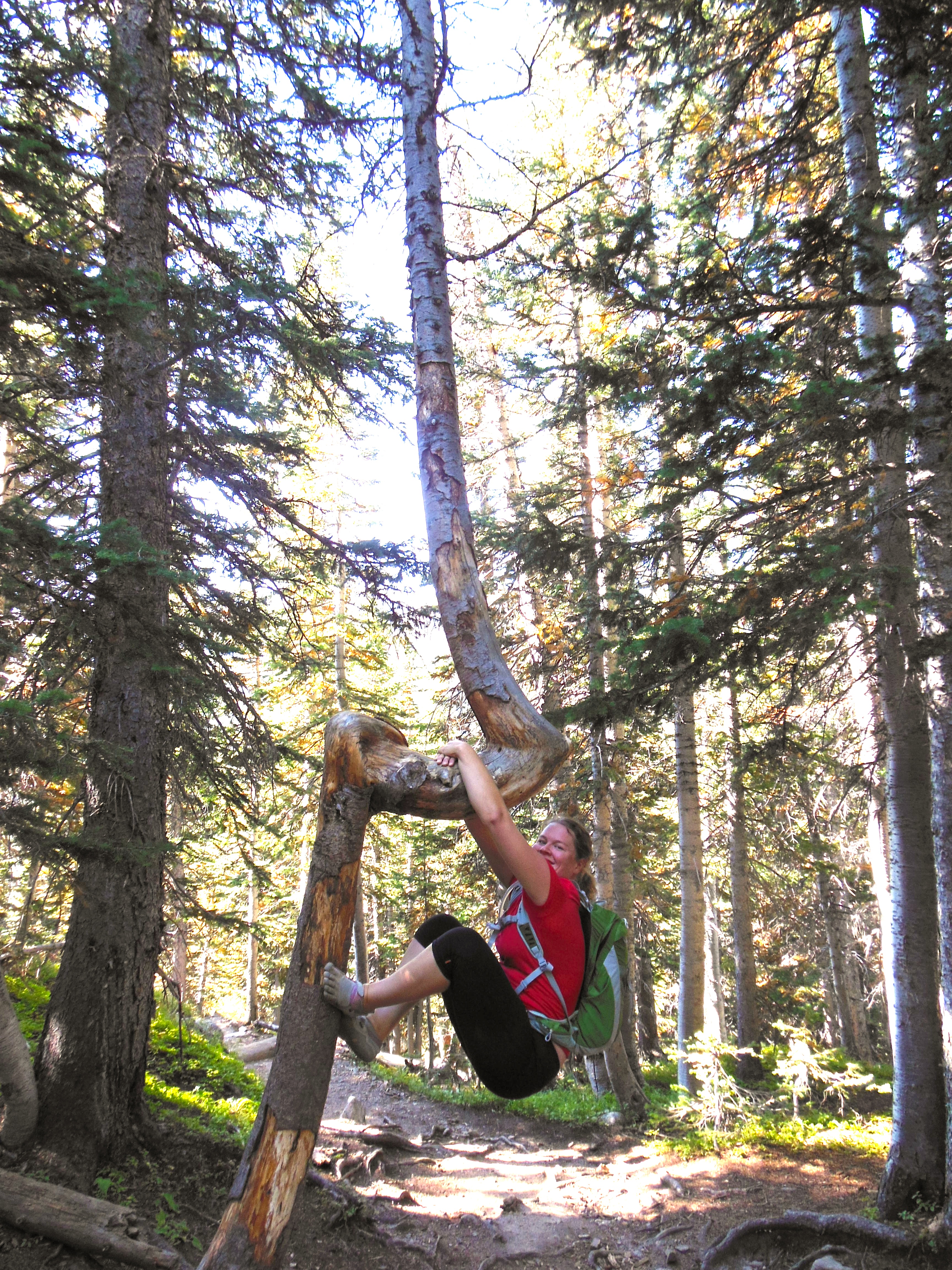
En route to Diamond Lake (Colorado): What you find on the way to your destination, and what you do with it, is all part of the fun.

Road Trip!

I have more to write about lipids and liver (consider yourselves warned!), but I likely won’t have a post out on that subject for a little while.

During the last month I have been enjoying my Family Medicine Clerkship. I am very fortunate to be working with an excellent and enthusiastic physician, with whom I have had fantastic patient interactions both in the office and on house calls (Yes, house calls- who knew physicians still did those?!). Not only is this physician an enthusiastic practitioner and teacher, but she is also very supportive of my (not so main-stream) academic interests. This was evident in the office, where she was keen to push me towards patients whose medical conditions I was particularly interested in and where she encouraged me to talk about nutrition with many of the patients (Yes- evolutionarily appropriate nutrition- not some American Diabetic Association or “My Plate” nonsense”).  This physician was also keen that I pursue my academic interests outside of the clinic, so she has worked with me and my schedule so that I can attend the 2nd annual Ancestral Health Symposium in Boston at the end of this week.

This time last year I was in the throes of writing my thesis, and I was forced to watch the inaugural Ancestral Health Symposium from the sidelines (you can watch the videos from last years symposium here). I’m very excited to participate in person this year!  (If you’re unable to attend but want to be kept up to date, you can follow the twitter feed @Ancestry2012)

While I am looking forward to a number of the lectures on offer this year, I am equally excited about catching up with other people interested in Ancestral Health.  I’ve been fortunate to cultivate a number of friendships within this community over the last couple years, though because of distance I’ve only met a couple people in person.  While I’ve come to know some quite well through the powers of e-mail, Skype, and Twitter, there’s nothing quite like some face time with friends who share (arguably very nerdy) interests.

Anyway- this is a drawn out way of saying “Hey- I’m headed to Boston for AHS 2012. If you’ll be there and want to say ‘Hi’, please do!”.

Pic- for identification purposes!

As my last post started to explore, different types of dietary fats have different effects on the progression of alcoholic liver disease. This post will further explore the protective effects of saturated fats in the liver.


For many, the phrase “heart healthy whole grains” rolls off the tongue just as easily as “artery clogging saturated fats”. Yet where is the evidence for these claims? In the past few decades saturated fats have been demonized, without significant evidence to suggest that natural saturated fats cause disease (outside of a few well touted epidemiological studies). Indeed, most of the hypothesis-driven science behind the demonization of saturated fats is flawed by the conflation of saturated fats with artificial trans fats (a la partially hydrogenated soybean oil).


In the face of a lack of any significant scientific evidence that clearly shows that unadulterated-saturated fats play a significant role in heart disease (and without a reasonable mechanism suggesting why they might), I think the fear-mongering “artery clogging” accusations against saturated fats should be dropped. On the contrary, there is significant evidence that saturated fats are actually a health promoting dietary agent- all be it in another (though incredibly important) organ.


Again (from my last post), here is a quick primer on lipids (skip it if you’re already a pro). For the purpose of this post, there are two important ways to classify fatty acids. The first is length. Here I will discuss both medium chain fatty acids (MCFA), which are 6-12 carbons long, and long chain fatty acids (LCFA), which are greater than 12 carbons in length (usually 14-22; most have 18). Secondly, fatty acids can have varying amounts of saturation (how many hydrogens are bound to the carbons). A fatty acid that has the maximal number of hydrogens is a saturated fatty acid (SAFA), while one lacking two of this full complement, has a single double bond and is called  monounsaturated (MUFA) while one lacking more (four, six, eight etc.) has more double bonds (two, three, four, etc.) and is called a polyunsaturated fatty acid (PUFA).


Next time you eat a good fatty (preferably grass-fed) steak, or relish something cooked in coconut or palm oil, I hope you will feel good about the benefits you are giving your liver, rather than some ill-placed guilt about what others say you are doing to your arteries. From now on, I hope you think of saturated fats as “liver saving (and also intestine preserving) lipids”. Here’s why:


In 1985, a multi-national study showed that increased SAFA consumption was inversely correlated with the development of liver cirrhosis, while PUFA consumption was positively correlated with cirrhosis [1].  You might think it is a bit rich that I blasted the epidemiological SAFA-heart disease connection and then embrace the SAFA-liver love connection, but the proof is in the pudding- or in this case the experiments that first recreated this phenomenon in the lab, and then offered evidence for a mechanism (or in this case many mechanisms) for the benefits of SAFA.


The first significant piece of support for SAFA consumption came in 1989, when it was shown in a rat model that animals fed an alcohol-containing diet with 25% of the calories from tallow (beef fat, which by their analysis is 78.9% SAFA, 20% MUFA, and 1% PUFA) developed none of the features of alcoholic liver disease, while those fed an alcohol-containing diet with 25% of the calories from corn oil (which by their analysis is 19.6% SAFA, 23.6% MUFA, and 56.9% PUFA) developed severe fatty liver disease [2].


More recent studies have somewhat complicated the picture by feeding a saturated fatty-acid diet that combines beef tallow with MCT (medium chain triglycerides- the triglyceride version of MCFAs). This creates a diet that is more highly saturated than a diet reliant on pure-tallow, but it complicates the picture as MCFA are significantly different from LCFA in how they are absorbed and metabolized. MCFA also lead to different cellular responses (such as altered gene transcription and protein translation). Nonetheless, these diets are useful for those further exploring the role of dietary SAFA in health and disease.


These more recent studies continue to show the protective effects of SAFA, as well as offer evidence for the mechanisms by which SAFA are protective.


Before we explore the mechanisms, here is a bit more evidence that SAFAs are ‘liver saving’.


A 2004 paper by Ronis et al confirmed that increased SAFA content in the diet decreased the pathology of fatty liver disease in rats, including decreased steatosis (fat accumulation), decreased inflammation, and decreased necrosis.  Increasing dietary SAFA also protected against increased serum ALT (alanine transaminase), an enzymatic marker of liver damage that is seen with alcohol consumption [3].  These findings were confirmed in a 2012 paper studying alcohol-fed mice. Furthermore, these researchers showed that SAFA consumption protected against an alcohol-induced increase in liver triglycerides [4].  Impressively, dietary SAFA (this time as MCT or palm-oil) can even reverse inflammatory and fibrotic changes in rat livers in the face of continued alcohol consumption [5].


But how does this all happen?


Before I can explain how SAFA protect against alcoholic liver disease, it is important to understand the pathogenesis of ALD. Alas, as I briefly discussed in my last post, there are a number of mechanisms by which disease occurs, and the relative importance of each mechanism varies based on factors such as the style of consumption (binge or chronic) and confounding dietary and environmental factors (and in animals models, the mechanism of dosing). SAFA is protective against a number of mechanisms of disease progression- I’ll expound on those that are currently known.


In my opinion, the most interesting (and perhaps most important) aspect of this story starts outside the liver, in the intestines.


In a perfect (healthy) world, the cells of the intestine are held together by a number of proteins that together make sure that what’s inside the intestines stays in the lumen of the intestine, with nutrients and minerals making their way into the blood by passing through the cells instead of around them. Unfortunately, this is not a perfect world, and many factors have been shown to cause a dysfunction of the proteins gluing the cells together, leading to the infamous “leaky gut”. (I feel it is only fair to admit that when I first heard about “leaky gut” my response was “hah- yeah right”. Needless to say, mountains of peer-reviewed evidence have made me believe this is a very real phenomenon).


Intestinal permeability can be assessed in a number of ways.  One way is to administer a pair of molecular probes (there are a number of types, but usually a monosaccharide and a disaccharide), one which is normally absorbed across the intestinal lining and one that is not. In a healthy gut, you would only see the urinary excretion of the absorbable probe, while in a leaky gut you would see both [6]. Alternatively, you can look in the blood for compounds such as lipopolysaccharide (LPS-a product of the bacteria that live in the intestine) in the blood. (Personally, I would love to see some test for intestinal permeation become a diagnostic test available to clinicians.)


Increased levels of LPS have been found in patients with different stages of alcoholic disease, and are also seen in animal models of alcoholic liver disease.  Increased levels of this compound have been associated with an increased inflammatory reaction that leads to disease progression.  Experimental models that combine alcohol consumption and PUFA show a marked increase in plasma LPS, while diets high in SAFA do not.


But why? (Warning- things get increasingly “sciencey” at this point. For those less interested in the nitty-gritty, please skip forward to my conclusions)


Cells from the small intestine of mice maintained on a diet high in SAFA, in comparison to those maintained on a diet high in PUFA, have significantly higher levels of mRNA coding for a number of the proteins that are important for intestinal integrity such as Tight Junction Protein ZO-1, Intestine Claudin 1, and Intestine Occludin.  Furthermore, alcohol consumption further decreases the mRNA levels of most of these genes in animals fed a high-PUFA containing diet, while alcohol has no effect on levels in SAFA-fed animals.  Changes in mRNA level do not necessarily mean changes in protein levels, however the same study showed an increase in intestinal permeability in mice fed PUFA and ethanol in comparison to control when measured by an ex-vivo fluorescent assay. This shows that PUFA alone can disturb the expression of proteins that maintain gut integrity, and that alcohol further diminishes integrity. In combination with a SAFA diet, however, alcohol does not affect intestinal permeability [4].


Improved gut integrity is no doubt a key aspect of the protective effects of SAFA. Increased gut integrity leads to decreased inflammatory compounds in the blood, which in turn means there will be decreased inflammatory interactions in the liver.  Indeed, in comparison to animals fed alcohol and PUFA, animals fed alcohol with a SAFA diet had significantly lower levels of the inflammatory cytokine TNF-a and the marker of macrophage infiltration MCP-1 [4].  Decreased inflammation, both systemically and in the liver, is undoubtedly a key element of the protective effects of dietary SAFA.


This post is already becoming dangerously long, so without going into too much detail, it is worth mentioning that there are other mechanisms by which SAFA appear to protect against alcoholic liver disease. Increased SAFA appear to increase liver membrane resistance to oxidative stress, and also reduces fatty acid synthesis while increasing fatty acid oxidation [3]. Also, a diet high in SAFA is associated with reduced lipid peroxidation, which in turn decreases a number of elements of inflammatory cascades [5]. Finally- and this is something I will expand on in a future post- MCFAs (which are also SAFA) have a number of unique protective elements.


I realize that this post has gotten rather lengthy and has brought up a number of complex mechanisms likely well beyond the level of interest of most of my readers…


If all else fails- please consider this:


The “evidence” that saturated fats are detrimental to cardiac health is largely based on epidemiological and experimental studies that combined saturated fats with truly-problematic artificial trans-fats. Despite the permeation of the phrase “artery clogging saturated fats”, I have yet to see the evidence nor be convinced of a proposed mechanism by which saturated fats could lead to decreased coronary health.


ON THE CONTRARY…


There is significant evidence, founded in epidemiological observations, confirmed in the lab, and explored in great detail that shows that saturated fats are protective for the liver. While I have focused here on the protective effects when SAFA are combined with alcohol, they offer protection to the liver under other circumstances, such as when combined with the particularly liver-toxic pain-killer Acetaminophen [7].


Next time you eat a steak, chow down on coconut oil, or perhaps most importantly turn up your nose at all things associated with “vegetable oils” (cottonseed? soybean? Those are “vegetables”?), know that your liver appreciates your efforts!


1.            Nanji, A.A. and S.W. French, Dietary factors and alcoholic cirrhosis. Alcohol Clin Exp Res, 1986. 10(3): p. 271-3.

2.            Nanji, A.A., C.L. Mendenhall, and S.W. French, Beef fat prevents alcoholic liver disease in the rat. Alcohol Clin Exp Res, 1989. 13(1): p. 15-9.

3.            Ronis, M.J., S. Korourian, M. Zipperman, R. Hakkak, and T.M. Badger, Dietary saturated fat reduces alcoholic hepatotoxicity in rats by altering fatty acid metabolism and membrane composition. J Nutr, 2004. 134(4): p. 904-12.

4.            Kirpich, I.A., W. Feng, Y. Wang, Y. Liu, D.F. Barker, S.S. Barve, and C.J. McClain, The type of dietary fat modulates intestinal tight junction integrity, gut permeability, and hepatic toll-like receptor expression in a mouse model of alcoholic liver disease. Alcohol Clin Exp Res, 2012. 36(5): p. 835-46.

5.            Nanji, A.A., K. Jokelainen, G.L. Tipoe, A. Rahemtulla, and A.J. Dannenberg, Dietary saturated fatty acids reverse inflammatory and fibrotic changes in rat liver despite continued ethanol administration. J Pharmacol Exp Ther, 2001. 299(2): p. 638-44.

6.            DeMeo, M.T., E.A. Mutlu, A. Keshavarzian, and M.C. Tobin, Intestinal permeation and gastrointestinal disease. J Clin Gastroenterol, 2002. 34(4): p. 385-96.

7.            Hwang, J., Y.H. Chang, J.H. Park, S.Y. Kim, H. Chung, E. Shim, and H.J. Hwang, Dietary saturated and monounsaturated fats protect against acute acetaminophen hepatotoxicity by altering fatty acid composition of liver microsomal membrane in rats. Lipids Health Dis, 2011. 10: p. 184.
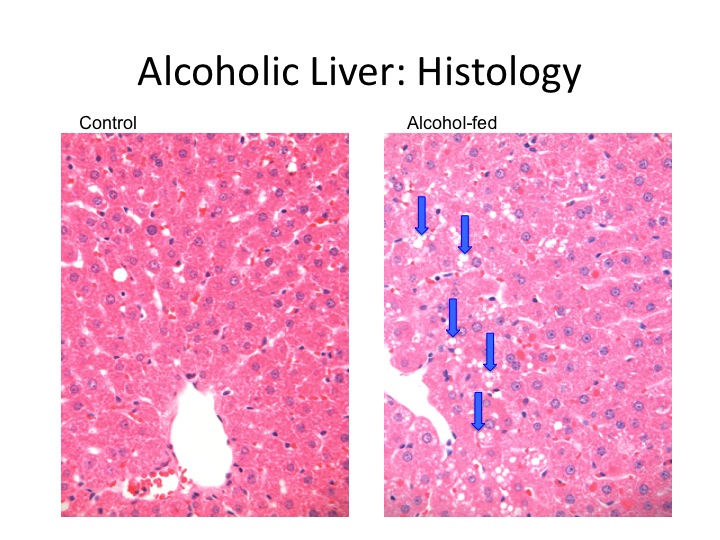
What is “Fatty Liver”? Well here’s a slide from my research showing a slice of liver from a control-fed rat on the left and an alcohol-fed rat on the right. Arrows mark macrovesicular lipid accumulations (other models can show much more impressive lipid accumulations).
My research background, at least as far as my PhD is concerned, is in pharmacology and physiology.  Specifically, I studied the effects of chronic alcohol consumption on signal transduction in the liver. Simply, I explored the ways in which chronic alcohol consumption affects how liver cells “talk” (both to each other, and how individual cells transmit a signal from an extracellular stimulus into an intracellular response).  If I were to go all “alphabet soup” on you, I would talk about my explorations into IP3-Ca2+ signaling, or my real area of expertise, cAMP-PKA signaling and CREB phosphorylation. Luckily (for all of us) that’s not what I want to write about.


What I want to write about is the role of various fats (aka lipids) in the development of fatty liver. Before I delve into the land of lipids, a bit of background is in order.


Fatty liver is the first phase of a process that in some people ends with cirrhosis and liver failure.  Most people associate this progression (from fatty liver, to fibrosis, and finally to cirrhosis) with chronic alcohol consumption, however recently the prevalence of nonalcoholic fatty liver disease (NAFLD) has grown. In fact, when I first started my PhD research, sources were saying that alcoholic fatty liver disease (AFLD) was the #1 cause of fatty liver. By the time I was writing my thesis (and I didn’t take THAT long), sources were claiming that AFLD had been overtaken by NAFLD. As the name suggests, fatty liver disease (aka liver steatosis) is the accumulation of fat in the liver. Microscopically this is evident as micro or macrovesicular fat accumulations within the cells of the liver (hepatocytes), while grossly a fatty liver appears enlarged, soft, oily, and pale (foie gras anyone?).


Fatty liver- both alcoholic and nonalcoholic – is generally asymptomatic, and requires a liver biopsy or radiology (such as CT, MRI, or ultrasonography) for diagnosis, though blood tests for liver markers are used to detect non-specific changes in liver health (you also might notice this while looking around someone’s insides during a surgical procedure, as I noted during a laparoscopic gallbladder removal during my surgery clerkship).  The prevalence of fatty liver is unclear, however the percentage of heavy drinkers that have fatty liver changes is probably quite high, with some studies showing that up to 90% of active drinkers have fatty changes [1]. Again, because of the relative “silent” nature of NAFLD, it’s hard to determine the prevalence of the condition, however it is strikingly (and increasingly) common, with sources suggesting that it may affect 20-30% of the US population [2]. Scarily, it is estimated that over 6 million CHILDREN in the US have this condition today, with this number continuing to grow [3].


Fat can accumulate in the liver in five different (though often simultaneous) ways. There can be (1) an increase in uptake and storage of dietary fats, (2) an increased uptake of free fatty acids (FFA) from other stores (from your fat tissue to your liver), (3) increased de novo lipogenesis (making lipids from scratch), (4) decreased consumption (b-oxidation to those in the trade) of fats, or (5) impaired export of triglycerides from the liver [4]. It is likely that a number of these mechanisms work in concert to produce fatty liver disease, but the precise reasons WHY they occur have not yet been determined, nor has the relative importance of each mechanism been teased out. Undoubtedly different mechanisms are of varying importance in different conditions and circumstances.  Indeed, relatively early studies of alcohol-induced liver disease showed that, depending on experimental conditions such as method and length of exposure, hepatic lipids could be derived from dietary, adipose, or de novo hepatic sources [5]. Teasing out what we already know (or think we know), and how each of these mechanisms interact to lead to fatty liver disease is beyond the scope of this blog post (it’s beyond the scope of most medical texts, really), but the role of dietary fats deserves some airtime in this discussion, and is what I wish to talk about here.


The research into the pathogenesis of alcoholic fatty liver is long and tortuous (or is that torturous, if you’re a graduate student trying to get a handle on past research?). Without going into too much depth, there has been controversy over the years as to whether alcohol itself causes fatty liver, or whether fatty liver occurs with alcohol consumption as a result of simultaneous nutrient deficiencies. Because chronic alcohol consumption is frequently accompanied by a very poor diet, it was postulated that liver disease occurred primarily as a result of nutrient deficiency, not alcohol consumption. This proved to be partially true in animal models, where a diet deficient in nutrients such as choline and methionine exacerbates the development of alcoholic liver disease.  Alas, nutritional supplementation only diminishes or slows, but does not prevent, alcoholic liver disease development and progression [6, 7]. Steatosis still occurs in the presence of an adequate diet, showing that nutritional deficiencies alone cannot account for the development of fatty liver.


Before I delve into the research, here is a quick primer on lipids (skip it if you’re already a pro). For the purpose of this post, there are two important ways to classify fatty acids. The first is length. Here I will discuss both medium chain fatty acids (MCFA), which are 6-12 carbons long, and long chain fatty acids (LCFA), which are greater than 12 carbons in length (usually 14-22; most have 18). Secondly, fatty acids can have varying amounts of saturation (how many hydrogens are bound to the carbons). A fatty acid that has the maximal number of hydrogens is a saturated fatty acid (SAFA), while one which has one double bond is monounsaturated (MUFA) and a fatty acid with more than one double bond is called a polyunsaturated fatty acid (PUFA)*.


Most alcohol researchers rely on an isocaloric liquid diet containing 35% of the calories from alcohol in the treatment group with the alcohol replaced by a carbohydrate in the control group. It was discovered pretty early on (in the 1960s) that eliminating dietary fatty acids significantly reduced the amount of fat accumulated in the liver and that you needed at least 25% of calories from fat, and ideally around 40%, to get a good model of alcoholic fatty liver (granted this is in rats, not humans). It didn’t take long for researchers to realize that different types of fatty acids were better (or perhaps more interestingly, worse) at creating fatty liver than others. The first notable realization (at least as far as I’m aware) is that medium chain fatty acids (MCFA) caused much less steatosis than long chain fatty acids (LCFA). Indeed, as early as 1972 researchers were showing that alcoholic fatty liver in rats could be reversed by replacing corn oil (an excellent source of LCFA, especially polyunsaturated fatty acids (PUFAs)) with MCFA. Stunningly (to me at least), there was a more rapid regression of fatty liver when the corn oil was replaced with MCFA than when the alcohol was replaced with sucrose [8]!


Another fascinating and interesting piece to this puzzle came in the mid 80s when it was shown that beef fat prevents alcoholic liver disease in rats. This research was conducted after epidemiological studies showed that a high intake of saturated fat was relatively protective against ALD disease while a high intake of polyunsaturated fats promoted ALD.  Researchers took this epidemiological finding to the lab, and showed that rats that were fed an alcohol-containing diet with tallow (beef fat) developed none of the symptoms of alcoholic fatty liver disease, while those fed alcohol with corn oil developed severe pathology [9]. More recent research (which I will explore in an upcoming post) delves into the protective mechanisms of SAFAs.


Alas, a high fat model of ALD that doesn’t actually give you liver pathology is not particularly useful for studying fatty liver, so most ALD research uses a diet that combines olive oil, corn oil, and/or soy oil and produces significant fat accumulation in the liver (indeed, this is what my PhD research was based on).  But what can research that has used other sources of fats tell us about alcoholic liver disease, and perhaps more interestingly (as the NAFLD epidemic continues to sweep the nation and the world) what can this research tell us about fatty liver disease that has nothing to do with alcohol consumption?


During my time in the lab (and even more so while writing my dissertation), I came to recognize that there are many similarities between fatty liver diseases of apparently very different etiologies. From a cell signaling perspective (my specialty), I was surprised by the parallels of our ALD fatty liver model and the fatty liver caused by protein malnutrition (yes- protein malnutrition leads to fatty liver- bizarre, no?). I have had less time to focus on the parallels between ALD and NAFLD (not caused by protein-malnutrition), however most of the medical information on this topic suggests life-style modification that focuses on the importance of reducing fat, especially (*eye roll*) saturated fat. I have yet to see the smoking gun for saturated fats in the pathogenesis of NAFLD, and if the process is anything like that of alcoholic liver disease (as I much suspect to be the case), minimizing saturated fats for those with NAFLD will likely do more harm than good.


I will expound on this statement in an upcoming post.


*For the lipid lovers in the crowd… Yes- there are significant differences in the effects of various types of PUFAs when it comes to alcoholic liver disease, though there are some interesting complications with the Omega3s depending on what research you look at. For the sake of this post (and most research), when I say PUFA I am generally referring to linoleic acid, the main PUFA in the dietary models of ALD and the modern diet.


1.            Kondili, L.A., G. Taliani, G. Cerga, M.E. Tosti, A. Babameto, and B. Resuli, Correlation of alcohol consumption with liver histological features in non-cirrhotic patients. Eur J Gastroenterol Hepatol, 2005. 17(2): p. 155-9.

2.            Kim, C.H. and Z.M. Younossi, Nonalcoholic fatty liver disease: a manifestation of the metabolic syndrome. Cleve Clin J Med, 2008. 75(10): p. 721-8.

3.            Jin, R., N.A. Le, S. Liu, M. Farkas Epperson, T.R. Ziegler, J.A. Welsh, D.P. Jones, C.J. McClain, and M.B. Vos, Children with NAFLD Are More Sensitive to the Adverse Metabolic Effects of Fructose Beverages than Children without NAFLD. J Clin Endocrinol Metab, 2012. 97(7): p. E1088-98.

4.            Lim, J.S., M. Mietus-Snyder, A. Valente, J.M. Schwarz, and R.H. Lustig, The role of fructose in the pathogenesis of NAFLD and the metabolic syndrome. Nat Rev Gastroenterol Hepatol, 2010. 7(5): p. 251-64.

5.            Lieber, C.S., N. Spritz, and L.M. DeCarli, Role of dietary, adipose, and endogenously synthesized fatty acids in the pathogenesis of the alcoholic fatty liver. J Clin Invest, 1966. 45(1): p. 51-62.

6.            Nieto, N. and M. Rojkind, Repeated whiskey binges promote liver injury in rats fed a choline-deficient diet. J Hepatol, 2007. 46(2): p. 330-9.

7.            Kajikawa, S., K. Imada, T. Takeuchi, Y. Shimizu, A. Kawashima, T. Harada, and K. Mizuguchi, Eicosapentaenoic acid attenuates progression of hepatic fibrosis with inhibition of reactive oxygen species production in rats fed methionine- and choline-deficient diet. Dig Dis Sci, 2011. 56(4): p. 1065-74.

8.            Theuer, R.C., W.H. Martin, T.J. Friday, B.L. Zoumas, and H.P. Sarett, Regression of alcoholic fatty liver in the rat by medium-chain triglycerides. Am J Clin Nutr, 1972. 25(2): p. 175-81.

9.            Nanji, A.A., C.L. Mendenhall, and S.W. French, Beef fat prevents alcoholic liver disease in the rat. Alcohol Clin Exp Res, 1989. 13(1): p. 15-9.


Physical rehabilitation is an important part of medicine. When I was on the stroke team on my Neurology clerkship, the main goal of our team (after we identified and localized the stroke) was to make sure our patients were medically cleared so they could go to rehab (The second I wrote that I heard the Amy Winehouse song “Rehab” in my head- I’m sorry if I’m responsible for putting this earworm in your head too!).

Physical rehabilitation was also a significant portion of patient care on my surgical trauma clerkship. Indeed, one of the tasks of the med students was to do “PT rounds”, in which we tracked down our patients’ charts (yes, our hospital still uses paper charts) and checked for progress in their therapy. This became quite time consuming when our list grew to 40 patients, including 1 on almost every floor of the hospital! Each afternoon, as we tracked down charts, we would pore over the PT/OT (Physical therapy/Occupational therapy) notes. This was challenging not only because of the almost illegible handwriting of some of the therapists, but also because of the litany of abbreviations and symbols that they utilize (though with time, their interpretation became much easier). Over the weeks we would track the range of motion of our patients’ various joints, and the relative amount of assistance needed to go from lying to sitting and from sitting to standing. We would see how far they could walk (and with what type of assistance) and how many stairs they could climb up and down.  The process- both the types of movements done and the assistance that is provided- is very delineated and mechanistic.

Meanwhile, in a seemingly totally different world…

Last weekend I attended a MovNat one-day workshop in Central Park. I’ve been aware of MovNat for a while now (I can’t remember my original introduction, but the name, and the general concept of ‘natural human movement’, is definitely something I came across as part of my journey in evolutionary health and wellness), but it’s something I’ve been interested in for a while, and I was enthusiastic to attend the workshop.

For those that are not familiar, MovNat is a concept of fitness based on the full range of natural human movements. It is the pursuit of fitness based on “man in the wild” not “man in the zoo”.

Through the day, we talked about and practiced 7 of the 13 MovNat movement skills. People do some interesting things in Central Park, but we definitely drew interesting looks as we explored different ways of walking, running, balancing, jumping, crawling, climbing, and lifting (the remaining 5 skills of swimming, carrying, throwing, catching, striking, and grappling were left for another day…). Many of the movements we explored were familiar, if not as things that we do on a regular basis now, then perhaps more reminiscent of a day outside as a child. Running around barefoot, tumbling in the grass, trying to nimbly walk along curbs and park benches: these skills weren’t exactly new, they were just things we needed to rediscover.

Throughout the day, the emphasis for these movements was not one of rigorous perfection, but more one of practice and experimentation. Through a variety of positions and movements, we explored our balance and flexibility, all with a focus of being mindful, both of our body and mind, and also of the environment around us.  Through this practice, one could recognize the efficiency of natural movement and the (at least to me) instinctive nature of basic human movements.

As I mentioned above, many of the things we explored were not really “new”, but instead were a reawakening of movements and skills of childhood. It is great to watch a child play and realize that (at least to my rather untrained eye) they have great form in almost everything they do. Watch a child squat, pick up a rock, and play with it. Watch them as they stand up, carry, and run around with it- they don’t have to be taught how to do these movements correctly, they learn it through a process of trial and error- figuring out how do it as efficiently as possible.

Rediscovering these movements, with the help of guidance and tips from an instructor, is (at least from my take) what MovNat is all about (at least for the basic skills of balancing, walking, running, and lifting… I’d be a bit concerned if I was impressed with the grappling skills of a small child!).

So where does rehabilitation tie into all this? 

As I mentioned above, the process by which people receive physical therapy in our medical system is (at least from my experience) rather rigid and mechanized. Could the instinctive and practical elements of a “natural movement” regime (such as MovNat) offer a new approach to rehabilitation?

MovNat has gained respect from many in the fitness world and beyond. Indeed the founder of MovNat, Erwan Le Corre, has given a talk on the subject at NASA. The emphasis I have seen thus far has been of general fitness and wellbeing for “normal” humans as well as athletes, but could a return to “natural human movements” be an appropriate approach to rehab? Would it help those who have lost their knowledge of how to move like a human, such as those who have suffered a stroke or a traumatic brain injury? When someone has well-and-truly forgotten how to move like a human (versus those of us who might just need to dust off those skills from childhood), can rebuilding this knowledge from an evolutionary and adaptive approach bring more success than a purely mechanistic approach? And what of those who are recovering from a long period of convalescence? Would a program that focused on the evolutionary “natural” movement of humans have greater success at returning appropriate balance and strength?

I definitely don’t have any solid answers, but it’s an interesting idea to ponder… 

Last week I gave a talk on evolutionary medicine to a group of ~50 medical students at my school. I really enjoy public speaking and I love talking about evolutionary medicine, so I had a blast (and the talk seemed to be well received).  I won’t try and recount exactly what I said in my talk, but as people seem to be interested in what I had to say I’ll try and provide a general idea of how the talk flowed, sharing the things that I think medical students should keep in the back of their mind as they go through their medical training.

I started with an introduction to evolutionary medicine…

An image from a 2010 Nature article on Evolutionary Medicine. (Particularly fun as Darwin did start to train as a physician at one point!) 

The term “Evolutionary Medicine” is rather broad, and can mean anything from how and why our enzymes work a specific way to why we respond to our modern environment (or a medicine, stress, or toxin) the way we do.  It stresses (to me at least) the fact that natural selection is everywhere, and we would do well to remember this (in medicine, business, policy, and life!). The term “Evolutionary Medicine” is sometimes used interchangeably with “Darwinian Medicine”, and is often mentioned during the discussion of “Ancestral Health”. These are all terms I hope that we will hear more of as medical education continues to evolve (selection pressure is everywhere, right?)

Speaking of med schools- I just read that the first lecture new med students get at UCSD is a lecture on evolutionary medicine [1]. Very cool! I like the idea of introducing the subject to med students before the onset of clinical training, as it offers a paradigm in which to think about health and disease, instead of trying to learn everything from a purely mechanistic perspective.

As med students, we are already familiar with some selective pressures that alter human health. Microbial resistance to antibiotics, sickle cell anemia, and lactose intolerance (though perhaps more accurately, “lactase persistence”) are all things we learn about, and are probably (hopefully?) taught with an emphasis on the selection pressures that brought these things to prevalence. These three examples, however, are just the tip of the iceberg.

We can use evolutionary medicine (and indeed I think we should) at all levels of human health and disease, but I think that an excellent starting point for this discussion is to take a step back and look at the bigger picture of “what it is to be human”.

So what is “being human”?

I find the easiest way to look at this question is to ask “how does a human live ‘in the wild’”. I’m not talking about a weekend camping trip, or even a half-year adventure through the rugged arctic, but rather, what can we glean from archeological evidence, our closest hominid relatives, and native peoples about how humans evolved? Alas, many native cultures are converting (or already have converted) to a more modern lifestyle, but there is a lot that we can learn from the lifestyle of people such as the Australian Aboriginals, the New Zealand Maori, Native Americans, Kitavans, Inuit, Maasai, and others.  Even though much cultural identity has been lost in recent generations, memories and documentation exist that we can use to better understand traditionally living humans.

I should say, at the outset, that this is not a plea to return to a traditional lifestyle (nor do I think people living in traditional cultures should be barred the opportunity to adopt aspects of our modern life). This isn’t about “going back” or recreating a specific lifestyle. Instead, this is about understanding our past so we can thrive in the present (and beyond).

Perhaps first and foremost (and indeed, my starting point into evolutionary wellness (there I go using yet another term)) is the food that humans thrive on. It is increasingly evident that there is not one “perfect human diet” that we evolved to thrive on. Rather, there are a number of foods that nourish and sustain our body in a healthy way. Humans evolved eating (and indeed some of these things truly ‘made us human’) meat, seafood, eggs, vegetables, fruits, nuts, and tubers.

What about grains and dairy? This is inevitably the cry we will hear from patients, friends, family, and hospital nutritionists! To hear these people talk is to think that humans cannot exist without these two staves of life. As much as people think of these things as staples of the human diet, the reality is that they were most likely not consumed in any real quantity until the agricultural revolution, a mere 10,000 years ago (not much time when you consider the span of human evolution). While it is true some people do well on these foods (and indeed, lactase persistence gave some a significant reproductive advantage at some point in the last 10,000 years), many people do not. Even those that seem to tolerate these things well are often surprised by the benefits they experience when these things are eliminated from the diet. Not everyone does poorly on these foods, but it definitely seems that many have not evolved to thrive on them.

Perhaps more important than thinking about what humans evolved to eat is thinking about what is truly novel in our modern diet. Unnatural trans-fats (not all trans-fats, as there are natural ones such as conjugated linoleic acid (CLA), which appears to have significant health benefits) have been shown to be particularly evil, and a campaign has been waged (mostly successfully) to rid them from our modern diet. With unnatural trans-fats mostly out of the way, the worst of our modern novelties (in my opinion) is the excessive amount of linoleic acid (found in vegetable oils such as corn oil and soybean oil) in our modern diet. I could write a book about the evils of linoleic acid (who knows, maybe one day I will), but without going into detail, excess linoleic acid is associated with increased gut permeability, increased inflammation, and increased fatty liver, just to name a few conditions off the top of my head.  I think the westernized world would be a much healthier place if we would eliminate all the modern sources of linoleic acid and again embrace sources of omega-3 fats such as fatty fish and grass-fed meats (but that is enough information for another talk entirely!).

{Ed. Note- I can find it difficult to keep myself on task as I talk about evolutionary health. Since it really gives you a paradigm in which to think, it is so easy to branch off at any place to explore other venues that benefit from an evolutionary approach.}

When considering the declining health of the western world, other culprits in our modern diet are likely excessive sugars, additives and preservatives, soy, hyper-palitable processes foods, a host of other things I can’t think to list right now and, though it is debatable for some as mentioned above, grains and dairy.

Going beyond food- what else makes us human?

A topic that I have been meaning to write on for ages, but that “That Paleo Guy” Jamie Scott has recently been writing quite a bit about, is Sun.

Humans evolved outside, under the sun. Our lives, both daily and seasonally, were controlled by the rising and setting of the sun. Most of us know that UV radiation from the sun is responsible for starting the conversion of precursor compounds into active vitamin D, but how many of us actually get enough sun to be replete in vitamin D, and how much do we actually need? Looking at this from the evolutionary standpoint, we can determine that appropriate vitamin D levels are extremely important for human health and survival. Indeed- it is believed that the drive for adequate vitamin D levels is what drove lighter skin pigmentation in humans as they migrated away from the equator (lighter skin meant that people could still make adequate vitamin D despite the decreased UVB exposure at northern latitudes and the decreased skin exposure due to increased clothes in colder climates).

Vitamin D is also a great opportunity to tap into Ancestral Health as a way to guide modern medicine. For lack of a better description, we in the western world are shooting blind when trying to figure out what is an appropriate target for blood levels of vitamin D. We currently base our studies off of epidemiological studies of humans living well-outside their evolutionary niche and laboratory studies using isolated cells and models quite distant from a living, breathing, human.  While these studies can provide us with interesting information (and quite a bit of garbage), can it really give us a good idea of what is optimal for human health? Might information from people living in a traditional lifestyle give us a better idea of how humans have evolved to thrive? A paper recently came out that looked at vitamin D levels in groups of Maasai and Hadzabe and found that the mean Vitamin D concentrations in these population is 115nmol/L (~46ug/L) [2]. Whether this level is “ideal” is uncertain, but it’s an interesting (and arguably more reasonable) place to get started than trying to tease out a reasonable target from the varying levels of insufficiency in most modern civilizations.

The benefits of sunlight aren’t limited to vitamin D. The sun plays other roles in human health, and I will make a strong (personal) argument that sun exposure does wonders for psychological wellbeing!

Humans were meant to move

This is, perhaps, something that everyone can agree upon. This, like food and sun, is something that can be looked at from many different angles under the lens of evolution. How has our body evolved as we became bipeds, and where are the weaknesses in our constitution? Bipedalism changed the shape of our hips, and with it the risks of childbirth. Our shoulders are wonderfully mobile joints, but with mobility comes potential weakness (hello rotator cuff injuries!). And what about feet? Through feats (heh- couldn’t help myself!) of natural selection, our feet have been crafted over millennia to support and move us unassisted, yet now we want to rely on highly engineered shoes to cushion, balance, and protect our feet. Interesting research our of Harvard by Daniel Lieberman’s lab shows some of the effects shoes have on the forces exerted on our knees (cliff notes versions- shoes aren’t doing us any favors). Furthermore, recently the floodgates have opened letting loose a stream of research showing the “dangers of sitting”. These are all elements of human health that can be  more easily understood when placed in the context of an evolutionary paradigm.

Humans sleep

This seems like such an obvious statement, but it’s probably one of the hardest things for people to implement. As budding health professionals, we are rarely able to set a good example in this aspect, yet we should realize that cutting short on sleep is detrimental to more than just our coffee budgets. As I mentioned above, until recently, our lives were controlled by the rising and setting of the sun- now we are able to extend our hours (not just of waking, but also working), probably at great expense to our health. Here, as in other aspects of evolutionary health, I’m not recommending that we shun our modern world, but instead that we should understand our modern situation in the light of our evolutionary past and our biology. An interesting evo-health aspect to consider here is the effect of blue light on melatonin production (melatonin is a hormone important in controlling our circadian rhythm). Exposure to blue light decreases the production of melatonin in the brain, thereby affecting our sleep-wake cycle. While we’re unlikely to convince many (indeed you won’t convince me!) to turn my computer off after sunset, we should consider reasonable “hacks” to work around it. For this example, the cool free program f.lux is available, which alters the amount of blue light emitted from your display based on the time of day and your local sunset and sunrise time.  If you don’t have it already, check it out!

Humans have friends, not “friends”

I’m not going to waste much time on this one, but real, legitimate human interactions are an important part of being human. I’m not saying you can’t make great friends on the internet- one of my best friends is an internet friend- but a real social bonds take more time and effort than a 140 character message or the occasional “poke”.  Meaningful relationships take time, which is something many are painfully short of these days.  Alas, the same modern life stresses that make strong social bonds hard to forge and maintain also make such support even more necessary.


Evolutionary Medicine isn’t just about preventative health.

I won’t go into it here, but in the closing minutes of my talk I went on to talk about some of the evo-med examples I have written about here before. First I discussed the likely role of the appendix (and why we should care) and then I talked about an alternative perspective on the etiology of diverticulitis. I also stressed that this talk wasn’t meant to be an all inclusive “this is evolutionary medicine” talk, but more of an opportunity to introduce a subject that I hope my peers will start to consider as they continue their medical education and eventually head off to their specialty of choice.

I’ve only referenced a couple papers in this post, but I did put up a number of papers throughout my talk to show that this is science. There is a growing body of evidence to support the importance of evolutionary thinking in modern medicine, and an increasing interest in teaching evolutionary principles to medical students. As for me- I continue to find great excitement and joy (two wonderful human pleasures) in thinking about these evolutionary principles and how we can utilize them in practice.

1.            Varki, A., Nothing in medicine makes sense, except in the light of evolution. J Mol Med (Berl), 2012. 90(5): p. 481-94.

2.            Luxwolda, M.F., R.S. Kuipers, I.P. Kema, D.A. Janneke Dijck-Brouwer, and F.A. Muskiet, Traditionally living populations in East Africa have a mean serum 25-hydroxyvitamin D concentration of 115 nmol/l. Br J Nutr, 2012: p. 1-5.

No- this isn’t an addendum to the “spring mating games” I mentioned in my last post.  (I feel like I might have just lost half my readers…)

The third year of medical school is a hectic one.  For those that aren’t familiar with the system, the first 2 years of medical school (in the US at least) are “pre-clinical” years, where future physicians learn the ‘basic science’ behind medicine. The foundations of our clinical knowledge are fields such as anatomy, embryology, biochemistry, pharmacology, physiology, pathology, microbiology, immunology, and, at least in my school, some basic biostatistics.  The end of second year culminates with the first step of the USMLE Boards.  Those that aren’t daft enough to take a hiatus to do a PhD (and when those of us that were daft enough finally come back) then start clinical clerkships in the third year.

For lack of a better description- 3rd year medical school is like speed dating for future physicians, but we’re looking for a career not a partner.  There’s a lot to be learned in third year (there is a very steep learning curve when you finally step foot on the floors), and each clerkship (Psychiatry, Neurology, General Medicine, Surgery, Obstetrics and Gynecology, Family Medicine, and Pediatrics) requires the acquisition of new clinical skills and knowledge.  The idea, obviously, isn’t to make you a surgeon in 2 months, but to give you some basic knowledge in these fields and to give you an idea of what it is like to be a physician in each of these specialties.

Some students come into medical school knowing what they want to be (though even the most determined often change paths), but many (myself included- more so at the beginning of medical school than now) really have no idea.  Over the course of a clerkship you not only get the basic clinical knowledge of a specialty, but you also get a feel for the specialty itself. These clerkships are short- I had a month on both Psychiatry and Neurology, and two months on Surgery.  This is barely enough time to figure out what a specialty is all about, and of course your experience is very much determined by the hospital you work at and the people you work with, yet this is the system in which we work (and in this instance I’m not sure there’s a better option).  By the end of third year, medical students need to know what they want to be “when they grow up”.  That’s when you have to start getting ready for “The Match”, the process in which medical students and residency programs rank their respective top picks and a computer determines their destiny (think of it as speed dating meets arranged marriage).

As I come off my surgery rotation, now a third of the way through my third year of medical school, it seems like an appropriate time to take a look at the clerkships past, and to glance forward to those awaiting me.

I started with Neurology- a very cerebral specialty (pun intended), where, at least when I spent my time with the stoke team, we spent a lot of time doing very thorough histories and physicals, teasing out the specific deficits and abnormalities of a patient’s presentation to determine (“localize” is the medical term) where in the brain there was an issue.  This is a wonderful exercise, and a skilled neurologist can take a thorough physical and, based on presentation, precisely localize where in the brain the problem has occurred… Now a day, this is frequently done as somewhat of an academic exercise after the determination has already been made by a CT scan and/or MRI. While there definitely is space for aspects of neurology to be explored with an ancestral/evolutionary health gaze (more hemorrhagic strokes during the winter? Maybe there’s a role for Vitamin D?), for me I found the specialty one of “a lot of thought, not much action”. Engaging as the thought process is, and as cool as some of the physical-exam detective work can be, I’m fairly sure that on my speed-dating card, Neurology is a “No”.

I was surprised by my Psychiatry clerkship. I wrote about my experience previously and, from the assessment of the clinicians I worked with and my own thoughts, I’d say Psychiatry is a mutual “Maybe”.

As I reach the end of my two-month trial on surgery, I will mark, without hesitation but with definite heartache, “No”.  Had my surgical rotation ended after my first month, when I had experienced only general surgery, there would have been no hesitation nor heartache.  General surgery is, without a doubt, not for me.  Over that month I saw many surgical revisions of the human body that were necessary, almost exclusively, because humans are living outside of an evolutionary appropriate lifestyle.  The removal of large portions of bowel because of diverticulitis, appendices and gallbladders removed around the clock, amputations because of uncontrolled diabetes… It all seems so unnecessary (for the most part) if we figured out how to live within the confines of how our body evolved to thrive.  In many of these cases, surgery is a (hopefully) definitive treatment for a preventable disease that I would rather just see prevented.  Other specialties within surgery- such as vascular, transplant, and cardiothoracic, or totally different training programs such as neurosurgery or orthopedics- all have their place, but none of them enthralled me. The other major issue with surgery is the toll it takes on your body and your life.  Surgery is physically demanding, not just for the hours of standing in one place, sometimes hunched precariously or stooped over a microscope, but also for the hours it requires.  Surgical training requires residents spend very long hours in the hospital, and to be honest, it’s not a price I am willing to pay.

The reason my rejection of surgery turned from an adamant “No” to a sorrowful one is because of Trauma.  My second month of surgery was spent with the Trauma team at my university’s hospital, a level 1 trauma center in a very rough inner city.  In many ways, Trauma surgery is the antithesis of neurology.  No- the people I was working with are not “just dumb trauma surgeons” as one of our attending physicians liked to self-deprecatingly refer to he and his collegues, but they are men (and women) of action.  There is a standard protocol that you run through when a trauma comes in, the “ABCs” (Airway, Breathing, Circulation, Disability, Exposure (yes, if you come into the trauma bay, you will lose your clothes)), but when something needs to be done, a trauma surgeon does not stand on protocol and wait for the final assessment. Many of the cases we saw in the trauma bay were definitely not “traumas” (simple falls, bar fights and assaults are generally things that should be taken care of in the Emergency Department), but many were full of the excitement and noise that years of watching ‘ER’ might have you come to believe is the norm.  One night on call I was part of the team that picked up a Motor Vehicle Crash (MVC) patient from the helipad on the hospital roof.  I’ve now seen gunshot wounds to all different parts of the body.  Trauma surgeons (or the good ones, as I witnessed in our hospital) know when to let assessment carry on, and when they’ve seen enough and something needs to be done NOW.

There is an urgency to trauma surgery, an element of intuitive action, that is lacking in other fields of medicine.  When you go to the operating room with a trauma patient you will see things you’ll never see in a hospital surgery patient, like the milky lymphatic ducts of the intestines (in all other surgery cases, patients are kept without food for many hours before surgery so their bowels (and the lymphatics which carry the emulsified fats we eat) are empty.). In trauma surgery, you’re working on a running engine.  Also, there’s often a significant element of “unknown” when you go to the OR with a trauma patient. These cases are time critical, and often the only imaging study you’ll have is a simple X-ray (no CT scan or MRI to tell you exactly what’s going on- there’s just no time).  A quick ultrasound may tell you there’s fluid in the belly, but you don’t know what that fluid is until you see it, and you don’t know where it’s coming from until you poke around for the source.  Trauma surgeons live in the moment- identifying, controlling, and treating acute injuries at times when minutes can make all the difference.

Another thing I like about trauma surgery, which is so different from general surgery, is that you are treating an acute incident that brings your patient to the table, not a chronic lifestyle (though one can argue that the lifestyle that many of our patients live is what is responsible for their trauma.  This is undoubtedly true for many or our MVC patients (please people- DO NOT DRINK AND DRIVE!) and some of our gun shot wounds and stabbings (we have quite a few repeat customers coming into our hospital for these injuries…).  There’s something about taking an acutely injured patient and ‘fixing them’ (or I prefer ‘putting them back together so they can heal’) that I enjoy that is missing in general surgery.

This feeling, however, comes at a cost.  The hours for any surgeon are long and arduous, but those of a trauma surgeon are longer and harder.  Yes, general surgeons get 3am consults, but a gunshot would to the chest is a lot more time-sensitive than an acute appendix or an obstructed bowel.  The lifestyle of a trauma surgeon is hard and it is wearing, and it obviously takes its toll.

Not surprisingly, trauma calls to a certain type of person… I loved the trauma surgeons- they were all so different: unique in their own ways and so obviously Trauma surgeons. During the last week (prior to my surgery exam) all the students (from all the different teams, about 30 of us in all- 5 had been on Trauma) were lectured by a number of surgical faculty.  You could always tell the trauma surgeons (even if they didn’t introduce themselves as such).  They lectured off the cuff- dynamic and fast.  None of them sat or stood by the computer flipping slides (if they used them)- they paced, gesticulated, called people out and made bold statements… They’re a little wild, often quick to act, and if I ever need a trauma surgeon, I’m really glad they are the way they are.

It was my experience on trauma, and with the trauma surgeons, that makes my heart ache a little bit as I check “No” for surgery. I know I could not mentally or emotionally hack the surgical residency (the hours and the years of all the other surgical specialties that you have to endure in order to do a fellowship in trauma). I also know that I will not put my body and my mind through the rollercoaster ride that is the call schedule of a trauma surgeon.  I know I need sleep. I know I need good food. I know I need sun and socialization.  But I will miss Trauma…

With 4 months and three specialties down, I look forward to my remaining 8 months and 4 specialties of third year.  As far as my speed-dating card goes, I think the best is yet to come. I don’t think Pediatrics, my next clerkship, will be the right fit, but I’m optimistic for the Family Medicine clerkship that follows and then the tour-de-force that is the Internal Medicine 4-month marathon.

When it comes down to it, I don’t think I’m going to find my perfect match in the speed-dating clerkships of medical school. Evolutionary medicine is a yet-to-be-defined specialty, and no residency program offers training in this field (though I have hopes for a fourth year elective in this area!). Indeed- just yesterday NPR mentioned evolutionary medicine and somewhat scathingly pointed out that it was not a practical discipline and at this point “only a theory”.

Actually, when it comes down to it, I don’t really think evolutionary medicine should be its own specialty… Much as it has been said that “nothing in biology makes sense except in the light of evolution”, I think “most (dare I say all?) issues of human health are best understood in the light of evolution”. You can find aspects of each specialty that would benefit from the keen focus of evolutionary minded individuals who, with careful thought, research, and synthesis of new ideas, could push the standards of medicine to new heights.

The hours of my surgery clerkship have my internal clock a little out of whack, but don’t worry, I’m not 7 months out of step.  Actually, I’m all-abuzz about the arrival of spring, and all the great things that this season brings! (I’m also all-abuzz because I have a full weekend off for the first time in 3 weeks… Hazzah!).

I don’t think there’s a place I’ve been where spring doesn’t bring a certain sense of joy and optimism- there’s something about the change in temperature, the awakening of plants, and the enthusiasm of spring mating games (human and otherwise) that makes this a very special time of year. While I haven’t been able to enjoy as much of the spring weather, spring sun, and spring scenery as I would like (not to mention the spring mating games), I am enjoying taking advantage of one of the benefits of spring- the food!

To me, the start of spring is signified by the start of the asparagus season.  While I’ve had limited success growing it myself (probably a combined issue of a poor planting location and an inability to let the first couple years of spears grow unmolested (you shouldn’t pick the spears for the first few years so the crowns can grow to be big and strong… I suppose patience (at least for asparagus) is not one of my redeeming characteristics)), there is a farm ½ a mile down the road that produces it by the bucket load.  As soon as the roadside stand comes out, you can be guaranteed to find asparagus in my fridge.  This asparagus is fresh, with no need to *snap* the bottoms off and with excellent texture and flavor. For a month or so, asparagus is a staple of my diet, and there are days when I’ll have it at every meal of the day (honestly- asparagus, poached eggs, and Hollandaise sauce- it works for breakfast, lunch, or dinner!).  Outside of this brief season, I’ll never buy asparagus (you’re just setting yourself up for disappointment), and if I happen to be served asparagus at other times of the year I’m puzzled by the physical resemblance but gustatory dissimilarity between the tender and tasty spring spears I’m accustomed to and the tasteless stringy curiosities I’ve been served mid-winter.

My mention of poached eggs, asparagus, and Hollandaise sauce was no accident. Not only is this one of my favorite meals, but it’s also (at least to me) an excellent seasonal meal. While my hens produce eggs year-round, they outdo themselves in the spring. Production is up, and as they feast on new grass and fresh bugs, the quality (and flavor!) of their yolks increases. Similarly, butter from cows grazing on spring grass is brilliantly yellow with a decadent taste. Combined (with a squeeze of a not-so-local lemon) these ingredients come together to form a culinary delight that complements asparagus and poached eggs perfectly (as well as a number of other delicious things).

In my book, asparagus is the ultimate ‘spring-tiding’, yet there are other signs of spring (along with the orange yolks of my chickens’ eggs) that I look forward to every year. Spring brings the first fresh greens (arugula being my favorite), and fresh fruit-like-substance to the table. Rhubarb, a stem that is transformed by stewing and sweetening into a dessert, is another tiding of spring. My father reasons (and he might well be right), that the only reason anyone ever ate rhubarb is that it is one of the earliest spring products. If this curious, tart, stem came to maturity during the summer, between waves of berries and stone fruit, it seems unlikely that it would be paid much attention, but as one of the earliest edibles of the year, it finds it’s way to our table.

There are a number of great books that explore the difficulties and pleasures of seasonal and local eating. I read “The Dirty Life” last year, and recently enjoyed “Animal, Vegetable, Miracle”.  “The Dirty Life” documents the life of a young couple that work a farm that provides a complete pantry (from maple syrup and flour to vegetables and meat) CSA style, while “Animal, Vegetable, Mineral” follows the year long adventure of a family that aims to ‘eat local’ for a year. The task in both books is daunting and the process is time consuming (and at times limiting) yet the benefits, and the connection such a commitment brings to the environment and your food are vast.  I highly recommend both books, especially to those that enjoy reading about the trials and tribulations of farming and eating local. (By no means are either book “Paleo”, as both authors embrace grains, yet the tenets of ‘eat local, eat seasonal’ are ones that I think all should embrace.)

I am not a puritan. I enjoy non-local, non-seasonal fruits and vegetables, and some of my dietary staples are things that never have been and never will be local or seasonal to my environment (Oh, to live in a place where avocados, cacao, coffee or coconuts are local or seasonal!). Yet every winter I await the coming of spring and the bounties that the ensuing seasons will bring. The pungent reminder of asparagus recently consumed harkens the arrival of a bounty of crops that the following months will bring!

Seasonal bounty: Spring greens, Spring eggs, rhubarb, asparagus, and (teensy) radishes

Earlier this week I received a newsletter from PaleolithicDiet.com that included the challenge to write a blog post about what you would cook if you were selected to receive a copy of Jennifer McLagan’s book Odd Bits: How to Cook the Rest of the Animal. In all fairness, I don’t need a copy of McLagan’s book (I already own one), but I like having a topic that I’m enthusiastic about and that doesn’t require I pull any scholarly papers and reference my sources! I like to write, but I haven’t had time to really research some of the more academic topics I’m interested in recently. I accept Patrik’s challenge, and if he wants to send me another copy, I’ll make sure to share it with someone that will love, appreciate, and use it!

Perhaps more important that what I would (or do) cook from Odd Bits, is why I cook offal. To me there are three main reasons (in no specific order).

1: It’s the right thing to do, in respect for the animal you are eating.

As I mentioned in my post on the ethics of eating meat, I have raised (and slaughtered) my own chickens for a number of years.  When I learned to “process” chickens, I was taught to save the heart and liver, both organs that I knew I should eat, but ones I’d never eaten before. My parents are British, and while it may have deeply pained them, I’d never been one for steak and kidney pie, nor had I been one to eat other ‘odd’ bits of animal. I, like so many, fell victim to the ‘eww’ factor of eating odd bits and stuck to the traditional muscle meats. This changed when I started killing my own chickens. First- I knew how much time and effort went into raising and butchering these animals, and throwing away edible bits just seemed wrong. Second- and more importantly, I was taking an animals life, and while I had done my best to make their life (and death) as pleasant as possible, it only seemed right that when I killed them, I used all the bits I could. Third- at that point I was well on the slippery slope to “evolutionary wellness”, and had been reading up on the nutritional benefits of eating organs.

I’ll admit that the first time I cooked chicken livers and hearts I needed a bit of Dutch courage. After imbibing a couple glasses of a delicious Marlborough region Sauvignon Blanc (my weakness when it comes to white wine), I briefly sautéed fresh livers (cut into bite sized pieces) and hearts (halved) in a generous portion of butter and then topped them with salt and fresh pepper. With my Dutch (or perhaps I should say Kiwi?) courage, I took my first bites and was hooked. While I rarely eat chicken these days, if I spot hearts and livers from pastured chickens for sale at the farmers market I usually nab a couple pounds. Not only are they delicious, but it seems only right that if we kill an animal, we should make the most of that sacrifice.

The same concept applies to the cattle that my family raises. I think the old guy that runs the slaughter house we go to gets a kick out of me and my enthusiasm for odd bits (or at least he’s good natured about humoring me- I can imagine him telling his friends about some ‘young woman with a hankering for weird cow parts’), and it seems like each year my list of ‘bits to save’ gets longer. Along with the cut sheets for our animals I include a cover sheet that includes all the extra bits I want to make sure he saves for us. Usually this butcher will return the heart, liver, tail, and tongue, but I’ve added sweet breads, kidneys, marrow bones, and fat to the list. This generally adds a couple extra boxes to my pickup run, and he had a funny smile last time he handed over a 40+ lb box of suet, but he complies (and I think I might need to start making soap- I probably already have a lifetime supply of tallow!). Much like with the chickens, I feel it is important to get the most out of the animals that my family has cared for that have died to feed us.

2: Offal is darn nutritious!

Not only do I think it is morally appropriate to eat ‘nose to tail’, it’s also an excellent nutritional choice. Organ meats are rich in compounds that are lacking (or low) in other parts of the animal. Liver, for example, is very rich in vitamin A (although you should never eat Polar Bear liver- it is so rich in Vitamin A it is toxic!), many of the B vitamins, and iron (to only list a few). Heart, kidney, marrow, and sweet breads all offer different nutritional profiles. I’m generally not joking (nor am I alone) when I refer to liver as “Nature’s multivitamin”.

3- Odd bits are tasty!

Once you get over the ‘weird’ factor of eating different bits of animals, you’ll start to realize they’re really not so odd and that they can be VERY tasty. Tongue tacos, grilled heart, sautéed liver (+/- bacon), steak and kidney… these are all very cookable dishes that can be very delicious. Just like anything else in the kitchen, you can mess them up, but cooked right, these dishes are a delicacy! There’s a reason that some of the fanciest restaurants serve offal, and it’s not just the ‘wow’ factor of serving something unique- offal is delicious!

In conclusion…

It’s only in our modern society that ‘nose to tail’ eating is not the norm. I’d wager that for most of our evolutionary past, humans have taken advantage of all the edible bits an animal had to offer. While many still find ‘odd bits’ off-putting, the interest in them is growing. That’s not only obvious by the publication of books such as Odd Bits, but also by observing changes in the people around me.  When my family sold our first beef cattle, few (if any) customers wanted ‘odd bits’.  As I find customers that are interested in evolutionary eating, my stash of unclaimed offal diminishes (I think I miss the extra tongues the most!). I’m happy, however, if others start to embrace offal, in it’s many forms. Eating offal is delicious, nutritious, and shows respect to the animal you’re eating.  If you’re intimidated by the idea of cooking offal at home, order out (Korean BBQ is a great way to have tongue (and if you’re brave, intestines-yum!)) or you can go the route I travelled and obtain a bit of liquid courage*!

*attempt at your own risk!

I’m currently on my surgery rotation, which has left me with little time not spent in the hospital, driving to the hospital, or sleeping (in the wee hours of the morning I will be found making coffee and when I get home in the evening I make a good dinner… that about fills you in on my life for the past few weeks and the ensuing month.). Surgery is an exhausting clerkship, and for the most part students are kept pretty busy during the day running around the floors checking up on our patients, tracking down information, seeing consults, or “scrubbing in” in the OR. Sometimes, when I have a chance to slow down (or when scrubbed in on a case where there isn’t a lot to see) I’ll find myself mulling over the system in which I’m working. I’m sure I’ll write about my thoughts and experiences on surgery at some point, but recently I’ve been thinking about medicine in general. I don’t think it’s much of a secret that my real interest is health, which for some reason often seems to be conflated with medicine, though it is increasingly obvious that the later does not always beget the former.

I am, by no means, anti-medicine or anti-medical technology. I am, undyingly, a nerd, and when I see what “we” can do, and how we do it, I am often amazed and in awe. Surgery is full of “I can’t believe we can do this!” moments, and the technology that has been developed, and the knowledge that has been discovered, is truly staggering. Yet sometimes this amazement leaves me feeling hollow. There are procedures, devices, and medicines that cure, reverse, prevent, and heal, but often it seems like we’re doing a lot of work to fix problems that should never happen in the first place. We can do so much, but maybe we shouldn’t have to.

The Fifth Element has been one of my favorite movies for years. I probably haven’t watched it in almost a decade, but I still think of it fondly.  My recent musings on our capabilities (with a certain unease about how frequently and pervasively we feel the need to patch a problem instead of fix or prevent it) has left me thinking of this scene… it is a favorite.

The reality is, the study of disease and the development of techniques and technologies to treat preventable diseases frequently leads to the advancement of science and knowledge. In a way, science and technology ‘wins’ at the expense of the people who suffer from preventable diseases. I’m not a conspiracy theorist- I don’t think this is all a big cynical plot and I don’t think pharmaceutical companies are trying to prolong a problem- they’re simply filling the niche (oh natural selection, you are everywhere) that has been created by the lifestyle that we live.

This thought is a recurring theme as I become more immersed in hospital life, and it is not one I can easily disconnect. When you see a patient in her mid-forties with a list of medication longer than my college transcript (trust me, that’s saying something!), coming in for her fourth surgery (you can take out troublesome body parts like the appendix, gallbladder, and sigmoid (or more) colon, but, inevitably, surgery begets more surgery, and you’ll see someone coming back for a hernia repair at an old incision site or a lysis of adhesions from a prior surgery), you have to wonder- can’t we do better? I don’t necessarily mean “we” the medical community, but more “we the people”. Health is in our hands, and while we have been greatly mislead by (generally) well-meaning government and institutional suggestions, ultimately the pursuit of health is in our hands.

There is a lot of misinformation to overcome and a lot of intricacies that people like to fight about, but for a lot of people health IS simple.  Live like a human.  Eat like one, move like one, sleep like one, and interact like one.  Eat real food, get out and move, spend time with people that fulfill you, feel the sun on your face and get a good night’s sleep… it might just keep you out of hospital (though there’s little hope of that for a 3rd year medical student!).